Liverpool's participation in No Mow May has restored insect populations to urban roadside verges, delivering measurable ecological benefits in just one month of suspended mowing.
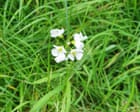
The campaign, which asks councils to halt grass cutting during May, allows wildflowers and their associated insects to flourish. A survey of a single roadside verge near Hunt's Cross in Liverpool identified 21 plant species, including cuckoo flower and yarrow. More tellingly, the unmowed habitat supported cinnabar moth caterpillars feeding on common ragwort, a plant that normally gets eradicated as councils prioritize manicured roadsides.
Jennifer Jones, documenting the results in her country diary, observed these insects advancing up the verge in waves, their distinctive gold and black striped bodies visible for days. The caterpillars depend entirely on ragwort availability. When councils resumed mowing at month's end, the habitat vanished almost immediately.
No Mow May operates on a simple principle. Pollinators, invertebrates, and small mammals require nectar, pollen, and shelter. A single month without cutting allows these resources to emerge. Research from the University of Bristol and other institutions has shown that even brief mowing delays increase pollinator abundance and plant species diversity in urban areas.
The initiative faces resistance. Some residents view unmowed verges as neglect or untidiness rather than habitat restoration. Councils balance ecological goals against public expectations of maintained green spaces. Yet the ecological case is clear. Urban verges represent fragmented corridors where insects move between patches. Without them, populations collapse.
The wider context matters here. UK pollinators face declining populations due to habitat loss and pesticide use. Urban green spaces, however modest, function as refugia. No Mow May demonstrates that simple policy changes, requiring no additional funding or infrastructure, can restore function to neglected edges