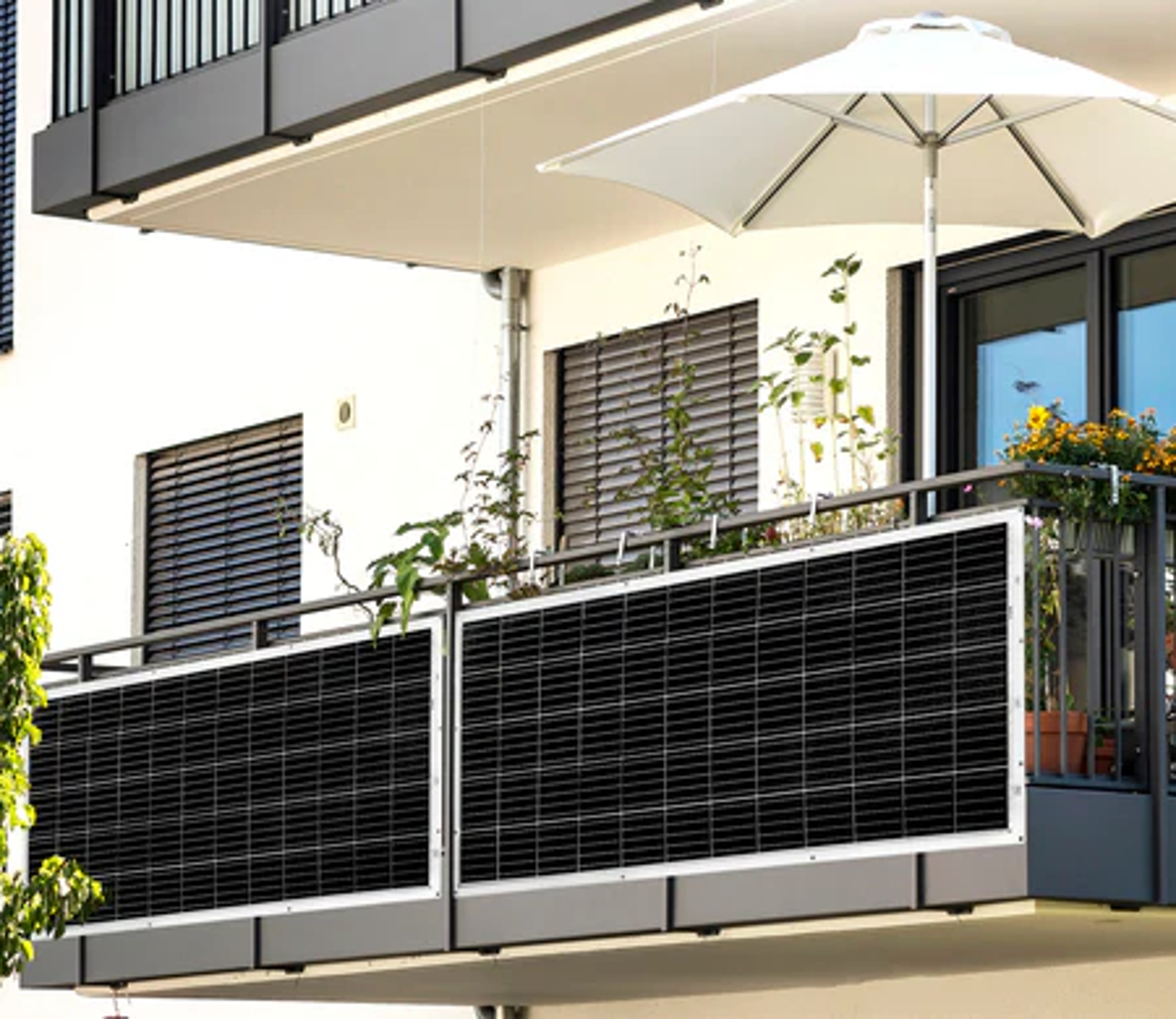
Colorado passed legislation this week permitting balcony solar installations in apartments and condominiums, becoming the second U.S. state to legalize the technology. The law removes regulatory barriers that previously prevented renters and condo residents from installing small rooftop photovoltaic systems on their own balconies or patios.
Balcony solar, also called balkonkraftwerk in German-speaking countries where the technology originated, consists of compact plug-in solar modules that tenants can mount without landlord approval or permanent structural modifications. Units typically generate 300 to 600 watts of electricity, reducing individual consumption from the grid and lowering utility bills.
The Colorado legislation addresses a gap in renewable energy access. While homeowners with rooftop space can install traditional solar systems, roughly one-third of Americans rent their homes. Balcony solar offers these residents a pathway to on-site generation. Germany deployed over 500,000 balcony solar units by 2023, demonstrating market viability. California became the first U.S. state to legalize the systems in 2024.
The new Colorado law streamlines interconnection processes and clarifies that balcony solar units qualify as household appliances rather than electrical installations requiring extensive permitting. This reduces administrative costs and installation timelines. The legislation also establishes safety standards and insurance requirements to address utility and landlord concerns about grid stability and property liability.
Energy analysts note that widespread balcony solar adoption could flatten peak electricity demand during afternoon hours. In distributed networks across densely populated areas, cumulative generation from thousands of units meaningfully reduces strain on transmission infrastructure and defers costly grid upgrades.
Colorado's move follows growing momentum in European markets and reflects shifting U.S. policy toward democratizing solar access. Utility commissions in other states now face pressure to adopt similar frameworks. Industry observers expect additional states to legalize bal