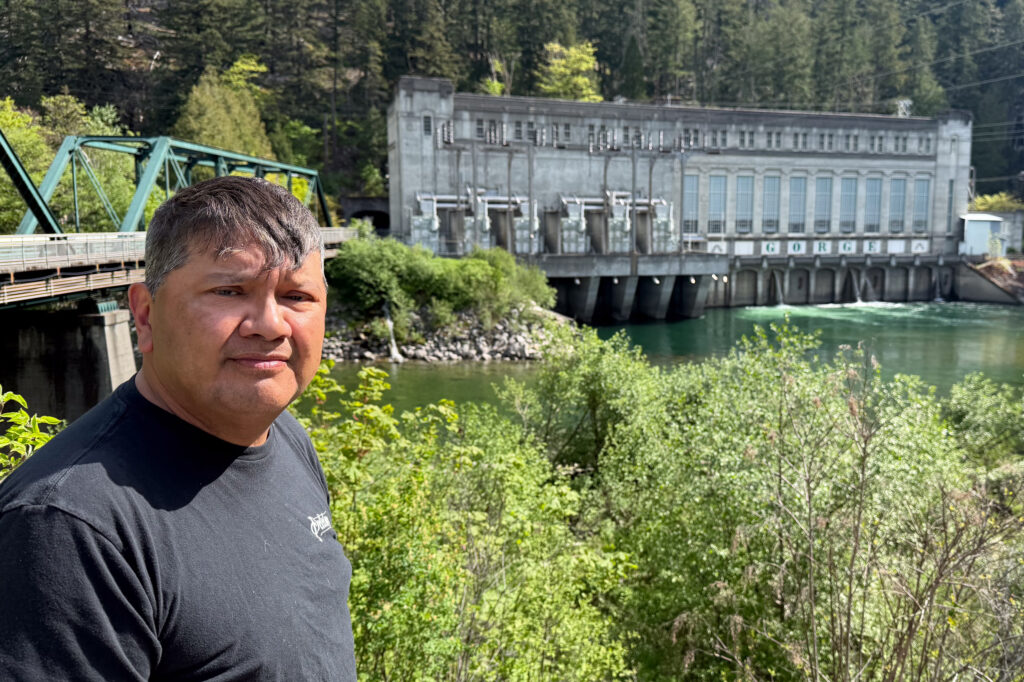
Seattle City Light agreed to settle decades-long disputes with Native American tribes over three hydroelectric dams that have operated on the Skagit River since 1926. The dams powered the city's industrial expansion into one of America's wealthiest metros, but blocked salmon migration and destroyed fisheries that sustained the Swinomish, Snoqualmie, and Sauk-Suiattle tribes for centuries.
The settlement, negotiated after more than a century of conflict, requires Seattle City Light to implement fish passage improvements and habitat restoration along the 65-mile river system. The utility will fund dam modifications designed to let chinook and coho salmon navigate upstream spawning grounds. The agreement also provides tribes with financial compensation and expanded water management authority on portions of the river.
The Skagit dams generate roughly 20 percent of Seattle City Light's electricity supply, making them central to the city's hydropower infrastructure. Dam operations fundamentally altered the river's hydrology, creating reservoirs that blocked fish passage and degraded the conditions salmon need to survive. The blockage triggered a collapse in tribal fisheries that provided food security and cultural practices for thousands of people.
Recent drought conditions and climate change impacts on snowmelt patterns have intensified pressure to reconsider how the dams operate. Scientists documented that early snowmelt, driven by warming temperatures, reduces summer water availability in ways that conflict with both power generation and fish recovery needs.
The settlement represents a shift toward acknowledging hydropower's ecological costs. Previous attempts at resolution stalled for decades until tribes sued under the Indian Non-Intercourse Act, asserting legal claims to original treaty rights. Federal mediators and state regulators eventually pushed both sides toward compromise.
Seattle City Light will begin implementing fish passage work within two years. The utility projects minimal electricity generation losses from operational changes, though final configurations depend on detailed engineering studies. Environmental groups