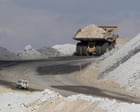
Methane emissions from Australian coalmines exceed official government figures by more than 100 percent, according to a new International Energy Agency report. Australia reports coalmine methane to the United Nations based on inventory data that significantly underestimates actual releases of the potent greenhouse gas.
The IEA findings expose a substantial discrepancy between what Australian authorities declare to the UN and what coalmines actually emit. Climate and energy analysts describe the gap as enormous, signaling that national emissions inventories fail to capture the true scale of methane leakage from coal extraction operations.
Methane ranks as the second most abundant greenhouse gas driving climate change. Over a 20-year period, it traps roughly 80 times more heat than carbon dioxide. Coal mining operations release methane trapped in coal seams and surrounding rock during extraction. As extraction intensifies, so does methane release. Australia operates some of the world's largest coal export operations, making accurate emissions accounting essential for climate commitments.
The discrepancy matters because nations use official inventory figures to track progress toward climate targets. Underreporting methane emissions masks the true environmental cost of coal extraction and distorts Australia's climate credentials. The country submitted these lower figures as part of its national greenhouse gas inventory under UN climate agreements.
Experts characterize the IEA report as a wake-up call for the Australian government. They are calling for rapid cuts in methane emissions and greater transparency in emissions reporting. Improving measurement and disclosure would require investing in better monitoring technology and implementing stricter regulations on methane capture at coal operations.
The finding arrives as global pressure intensifies on nations to reduce methane emissions. The UN Environment Programme has identified methane cuts as the fastest way to slow near-term warming. Australia's coalmine emissions represent a significant portion of the nation's total methane output, making the sector a logical target for emissions reductions that could