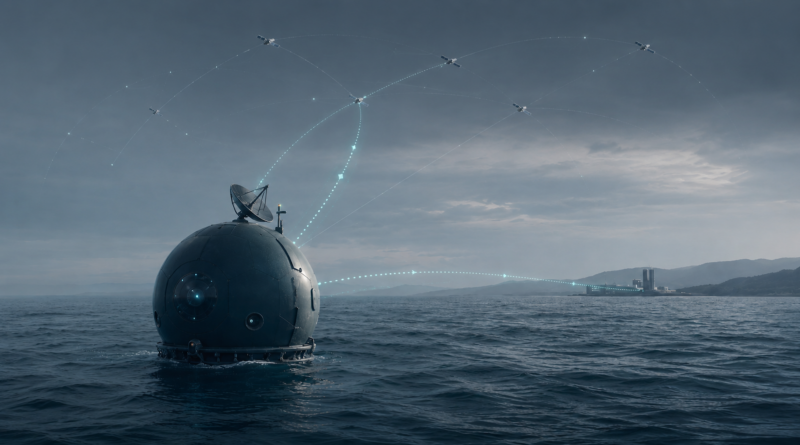
Panthalassa, a venture-backed startup, proposes deploying AI data centers powered by ocean waves, claiming the approach sidesteps grid constraints and land limitations that plague conventional computing infrastructure. Backed by Peter Thiel's investment network, the company frames wave energy as a solution to the explosive electricity demand from large language models and artificial intelligence training.
The pitch carries intuitive appeal. AI compute consumes vast power. Data centers require stable grid connections and substantial real estate. The ocean covers 71 percent of Earth's surface and generates continuous kinetic energy through wave action. No land needed. No grid bottleneck.
Reality imposes harder constraints. Ocean environments corrode equipment rapidly. Salt spray degrades electronics and structural materials at accelerated rates. Deployment and maintenance in open water demands specialized vessels, trained crews, and logistics infrastructure far more expensive than land-based operations. Extreme weather events disable or destroy offshore installations. Grid connection ultimately becomes necessary to deliver power to users on land, negating the claimed independence advantage.
Wave energy conversion remains inefficient at commercial scale. Modern offshore wind generates 10-15 megawatts per turbine. No wave energy device has achieved comparable output. Engineering challenges around mooring systems, power transmission cables, and environmental permitting persist after decades of research and billions in development spending globally.
Data center operators optimize for reliability, cost, and operational control. Submarine cables connecting offshore installations to terrestrial infrastructure introduce latency vulnerabilities. Underwater damage from ship anchors, fishing equipment, and geological activity requires expensive insurance and redundancy protocols. The economics deteriorate quickly against proven grid-powered land facilities with lower maintenance overhead.
The narrative mirrors previous waves of venture capital enthusiasm for ocean-based solutions: floating cities, deep-sea mining, autonomous underwater vehicles. The ocean's scale and untapped energy capture imagination. Implementation reveals why coastal infrastructure concentrates on proven technologies rather than speculative alternatives