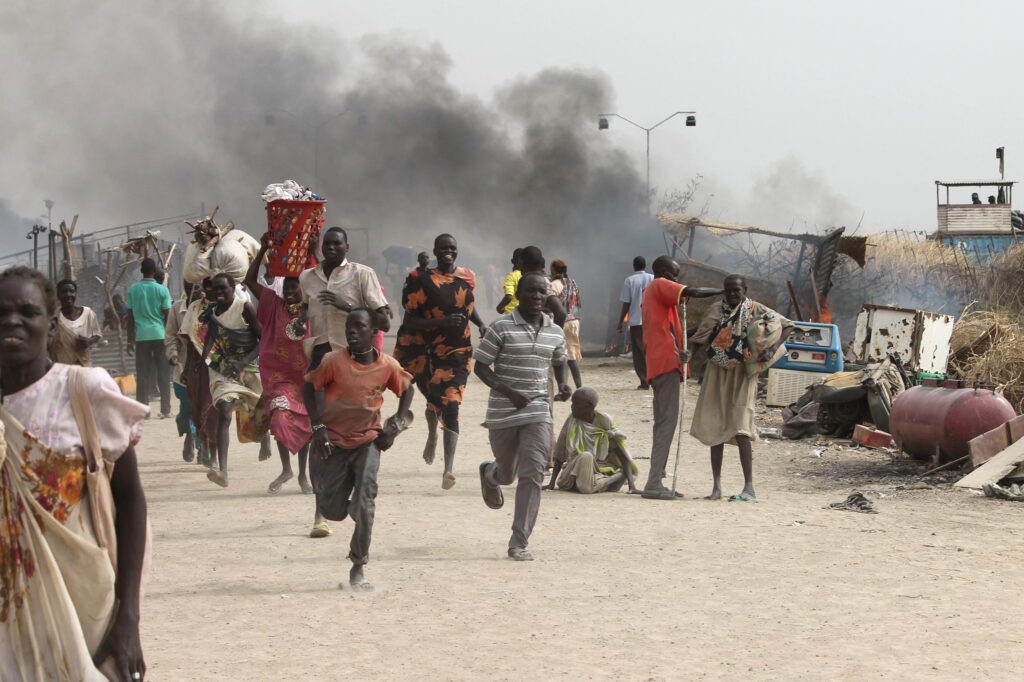
A new study published in the Proceedings of the National Academy of Sciences finds that climate extremes, particularly severe droughts, increase the risk of armed conflict in vulnerable regions. Researchers analyzed seven decades of climate and conflict data from 1950 to 2023 to establish the connection.
The research identifies drought as a specific climate shock with measurable conflict implications. When precipitation falls below critical thresholds in drought-prone areas of Africa and Southeast Asia, the likelihood of armed conflict rises. The mechanism operates through resource scarcity. Severe drought disrupts agricultural production, strains water supplies, and intensifies competition for remaining resources. Societies under this stress experience increased social tension and higher odds of violent confrontation.
The study reinforces earlier climate-conflict research while offering quantified evidence about severity thresholds. Not all climate variation triggers conflict. The research distinguishes between gradual climate change and acute climate shocks. Acute drought events that exceed historical bounds in already-vulnerable regions show the strongest conflict correlation.
Sub-Saharan Africa and parts of Southeast Asia face particular risk because they combine three factors: dependence on climate-sensitive agriculture, existing institutional weakness, and prior conflict histories. These regions lack adaptive capacity to absorb sudden climate shocks. When drought hits, populations cannot easily shift to alternative food sources or access emergency supplies through robust government systems.
The findings carry implications for conflict prevention and climate adaptation policy. Development agencies and defense planners increasingly recognize climate change as a threat multiplier. Drought-related resource scarcity does not guarantee conflict, but it raises baseline risk substantially. Countries and regions with poor governance, inequality, and marginal food security sit at highest vulnerability.
The 74-year dataset strengthens causal inference. Researchers tracked specific drought events and subsequent conflict patterns across multiple regions and decades, reducing the chance that correlation reflects coincidence. The work demonstrates that climate-conflict linkages operate through