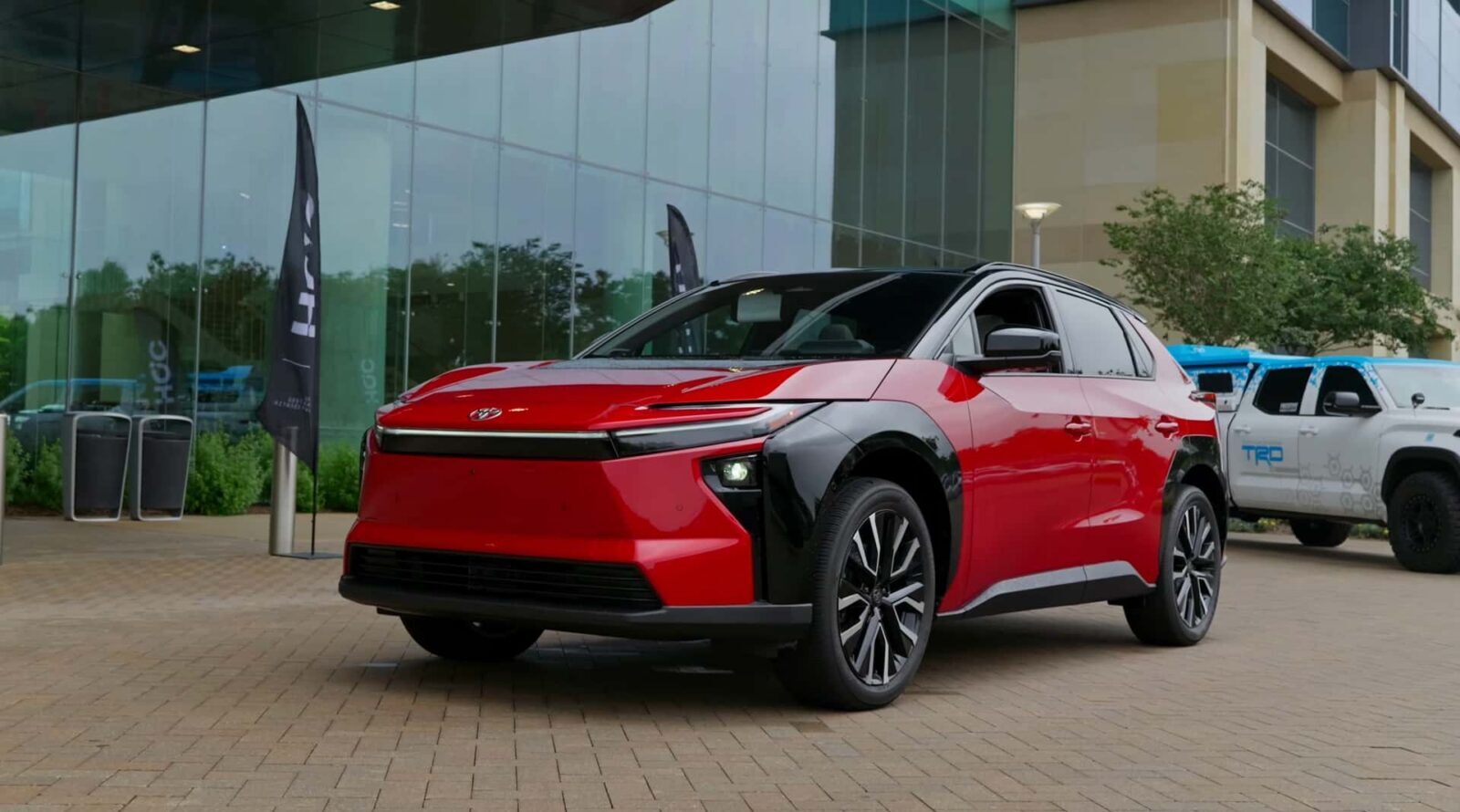
Toyota reported record global sales of 9.6 million vehicles in fiscal year 2026, with over 5 million classified as "electrified vehicles." The Sierra Club rejected the company's claims about environmental progress, arguing Toyota is failing American consumers on emissions reduction and clean vehicle availability.
The environmental organization's criticism centers on Toyota's definition of "electrified." The automaker counts hybrid vehicles alongside battery electric vehicles in this figure, a classification that masks the slower-than-needed transition away from internal combustion engines. Hybrids still burn fossil fuels and emit carbon dioxide, though at lower rates than conventional vehicles.
Sierra Club contends Toyota lags competitors in genuine electric vehicle deployment across the U.S. market. While Tesla and legacy automakers like Ford and General Motors accelerated EV production, Toyota maintained heavier reliance on hybrid technology. This approach extends the fossil fuel era rather than ending it, the group argues.
The timing matters. The U.S. Environmental Protection Agency has tightened tailpipe emission standards for 2026 and beyond, pushing automakers toward zero-emission vehicles. California and other states have adopted regulations requiring escalating EV sales percentages through 2035. Toyota's earnings emphasis on total sales volume rather than zero-emission units underscores its current trajectory.
Sierra Club's statement reflects broader tension between automakers and environmental advocates over transition speed. Toyota built its reputation on hybrid efficiency, a technology that proved commercially successful but now risks obsolescence as battery costs decline and charging infrastructure expands. The company faces pressure to accelerate EV development or risk losing market share to competitors more aggressive on electrification.
For American families, this translates to limited EV options from a manufacturer historically trusted for reliability. Toyota's cautious approach to full electrification means consumers seeking zero-emission vehicles have fewer Toyota models available compared to competitors offering broader EV lineups.