Norway has frozen funding to the United Nations Environment Programme (UNEP), the body's largest donor, ahead of a budget review scheduled for May 12. The pause has raised alarms among member states and environmental groups about the stability of UNEP operations and the fate of ongoing plastic treaty negotiations.
UNEP has overseen six rounds of international talks since 2022 aimed at establishing a binding agreement on plastic production and consumption. Negotiators have reached no consensus despite acknowledging plastic pollution as one of the world's most pressing environmental crises. The talks have stalled over fundamental disagreements about production caps, extended producer responsibility, and the balance between developing and developed nations' obligations.
Norway's funding freeze threatens to destabilize UNEP at a critical moment. The Norwegian government has not publicly disclosed its rationale for pausing contributions, but observers note the timing creates uncertainty for treaty negotiations scheduled to resume. UNEP coordinates these discussions and requires stable operational funding to staff negotiating sessions, host member states, and manage technical working groups.
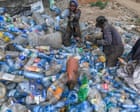
Environmental organizations have expressed concern that budget instability could delay or derail plastic treaty progress. The Global Ghost Gear Initiative and other NGOs tracking the negotiations warn that prolonged funding gaps could push decision timelines further into 2025 or beyond. Currently, the world produces over 380 million metric tons of plastic annually, with less than 10 percent recycled.
The funding freeze also threatens UNEP's broader environmental work. The organization manages programs on biodiversity loss, chemical pollution, and ecosystem restoration. A budget shortfall could force staff reductions or program cuts across these portfolios.
UNEP leadership has urged member states to maintain financial commitments. The May 12 budget meeting will determine whether Norway restores funding and whether other donors step forward to fill any gap. The outcome carries weight for plastic treaty talks, which many governments view as essential before the next