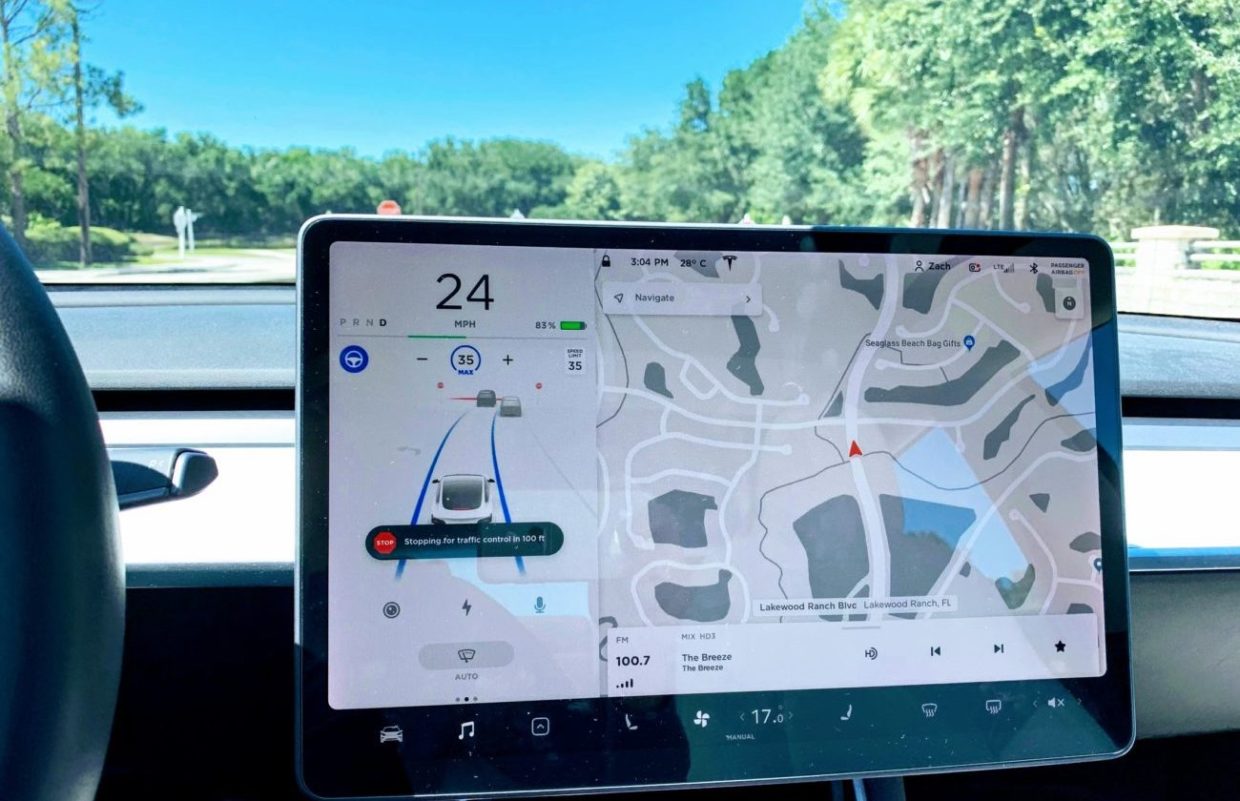
Tesla's robotaxi deployment in Texas faces significant delays, contradicting CEO Elon Musk's projection that autonomous vehicles would serve half the U.S. population by the end of 2025. Reuters reported extended wait times accompanying the rollout, exposing a gap between corporate timelines and operational reality.
Musk's robotaxi ambitions have repeatedly collided with technical and regulatory obstacles. The company promised rapid expansion of its autonomous fleet, yet real-world deployment has proven substantially slower than announcements suggested. Texas, where Tesla operates manufacturing facilities and testing grounds, became a focal point for the rollout but has not delivered the seamless service expansion the automaker projected.
The delays reflect persistent challenges in autonomous vehicle development. Self-driving systems require continuous refinement to handle edge cases, unpredictable road conditions, and varying traffic patterns across different regions. Regulatory approval processes in individual states add additional timelines that corporate projections often underestimate.
Tesla's robotaxi program sits within a broader autonomous vehicle market where timelines consistently slip. Companies from Waymo to traditional automakers have missed their own deadlines for widespread deployment. Infrastructure limitations, liability frameworks, and insurance complexities create real obstacles beyond engineering alone.
The mismatch between Musk's public statements and actual deployment timelines raises questions about accountability in corporate forecasting. Investors and potential customers rely on leadership commitments to evaluate company viability and product readiness. When projections diverge substantially from results, credibility erodes.
For the transportation and energy sectors, delayed autonomous vehicle adoption has ripple effects. Robotaxis promised efficiency gains and reduced emissions from optimized routing and lower vehicle ownership rates. Extended rollout timelines push those environmental benefits further into the future. Meanwhile, ridership patterns and transportation infrastructure planning depend partly on clarity about when autonomous services will genuinely arrive.
Texas's experience signals that robotaxi commerci