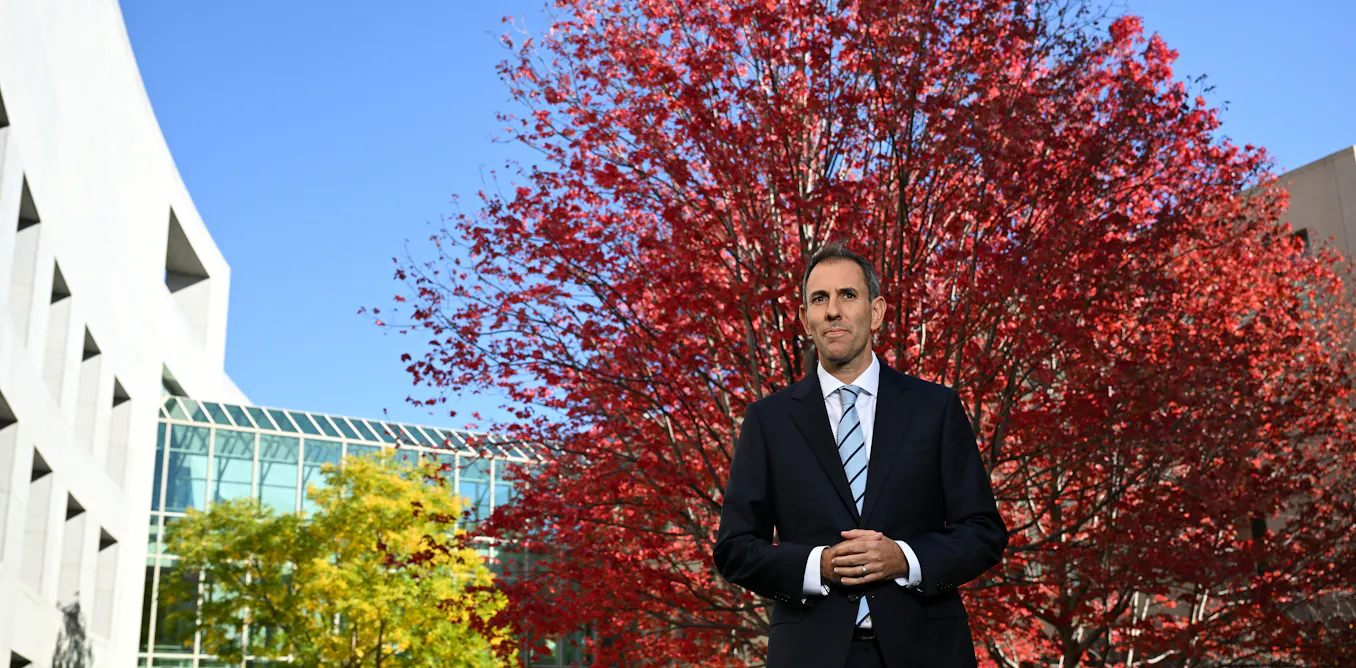
Australia's Treasurer Jim Chalmers faces a fiscal balancing act in the upcoming budget. Pressure mounts for increased spending on cost-of-living assistance, yet restraint remains essential to avoid reigniting inflation.
The Reserve Bank of Australia has signaled that excess government spending risks forcing further interest rate hikes. Each rate increase compounds household mortgage stress and borrowing costs across the economy. Chalmers must calibrate budget measures carefully to provide relief without fueling demand-driven price growth.
Cost-of-living pressures have intensified across housing, energy, and groceries. Households demand targeted support. But the government's fiscal position constrains options. Treasury modeling suggests that poorly timed stimulus could undermine the central bank's inflation-fighting efforts, potentially requiring additional rate increases that would worsen the very conditions demanding relief.
The government's inflation management strategy depends on coordinated fiscal discipline. If Chalmers spends beyond what the economy can absorb without price pressures, the Reserve Bank will respond with higher rates. This creates a feedback loop where government support gets partially negated by monetary tightening.
Policymakers face competing demands. Voters expect assistance with energy bills and rental costs. Yet releasing too much fiscal stimulus could push inflation back above the Reserve Bank's 2-3 percent target band, necessitating the damaging rate cycle Australia experienced in 2022-2023.
The budget must identify spending that genuinely addresses structural cost-of-living challenges rather than simply adding demand into an already-tight economy. Efficiency matters more than volume. Infrastructure investment that boosts productive capacity differs from cash transfers that simply increase purchasing power without expanding supply.
Chalmers has indicated awareness of these constraints. The challenge lies in translating that awareness into a politically defensible budget that provides meaningful relief while respecting inflation-fighting imperatives. The announcement will reveal whether the government