# Summary
Las Marías, Puerto Rico receives approximately 90 inches of annual rainfall, yet the municipality faces acute water scarcity during dry seasons. A new water treatment system now addresses this infrastructure gap by capturing and processing precipitation to fortify local water supplies.
The system represents a practical response to Puerto Rico's broader water crisis. The island's aging infrastructure, compounded by hurricane damage and drought cycles, has left many communities dependent on unreliable municipal supplies. Las Marías, located in the central island region, experiences dramatic seasonal swings that leave residents vulnerable to shortages even as annual precipitation remains substantial.
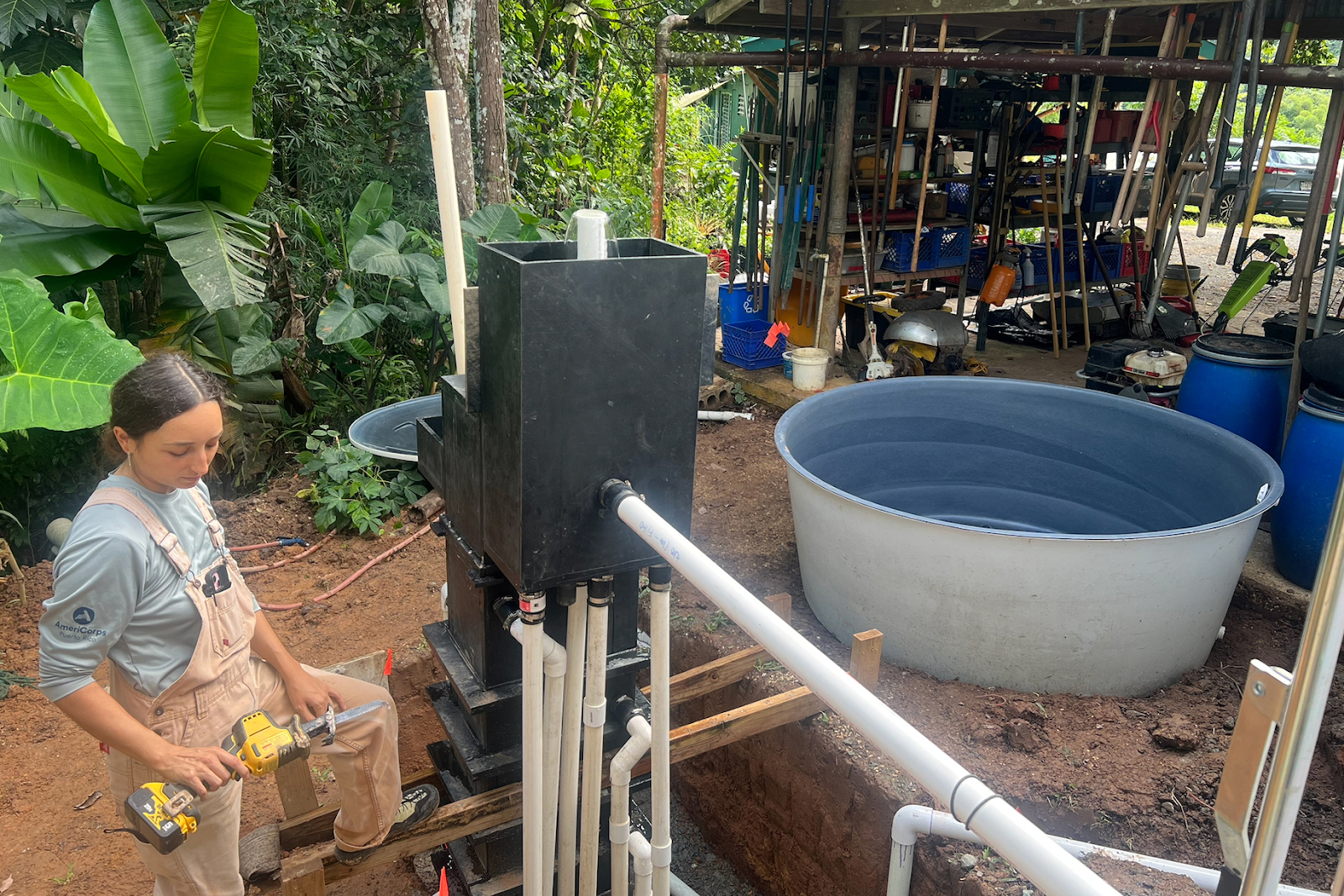
The treatment facility employs innovative filtration and storage methods to maximize usable rainwater. By capturing runoff during the heavy December-May wet season, the system creates reserves that sustain the community through drier months when municipal water deliveries become sporadic or cease entirely.
Local officials partnered with environmental organizations to design and implement the project. The approach integrates natural water collection with modern treatment technologies, reducing reliance on centralized water systems that frequently fail during peak demand periods.
Water security ranks among Puerto Rico's most pressing infrastructure challenges. The U.S. Environmental Protection Agency has documented chronic underinvestment in island water utilities, with many systems operating at significant losses. Puerto Rico's Puerto Rico Aqueduct and Sewer Authority reported water loss rates exceeding 45 percent in recent years due to leaking pipes and aging infrastructure.
The Las Marías system offers a localized model for climate resilience. As Puerto Rico faces intensifying drought and precipitation variability linked to climate change, distributed water treatment facilities reduce vulnerability to centralized supply disruptions. The project demonstrates that smaller communities can implement decentralized infrastructure to enhance water independence.
Community participation remains essential to the system's success. Local residents received training on maintenance protocols and water conservation practices. This approach ensures long-term viability while