Australia's electricity demand reached record levels in the first quarter of 2026, driven by extreme heat and surging power consumption from data centres. The peak demand spike outpaced previous highs, yet battery storage systems prevented a corresponding surge in wholesale electricity prices.
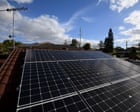
Rooftop solar installations generated record output during the same period, offsetting a portion of the increased demand. Australia's distributed solar capacity continues expanding rapidly, with residential installations now covering millions of homes. This decentralized generation helped stabilize grid conditions during peak demand periods.
Data centres represent the fastest-growing electricity consumer in Australia's energy market. Tech companies operating artificial intelligence infrastructure and cloud services have dramatically increased their power requirements. Energy-intensive operations now compete with traditional industrial users for grid capacity.
Extreme temperatures across Australia intensified cooling demands from residential and commercial buildings. Climate patterns in early 2026 pushed heating and air conditioning loads higher than historical norms, stressing the grid during peak afternoon and evening hours.
Battery energy storage systems played a pivotal role in price moderation. Large-scale batteries deployed across the National Electricity Market discharged during peak demand periods, reducing reliance on expensive fossil fuel generators. This capacity prevented wholesale prices from spiking to the levels seen during previous demand peaks.
The Australian Energy Market Operator reported the demand record occurred without corresponding wholesale price volatility. This represents a shift from earlier years when peak demand directly correlated with elevated prices.
Policymakers continue monitoring data centre energy demands as companies expand operations. The federal government has begun assessing grid infrastructure requirements to accommodate continued growth in computing capacity. State regulators are coordinating with energy companies on long-term planning.
The combination of renewable generation, battery deployment, and demand-side management demonstrates Australia's grid flexibility during stress periods. However, energy analysts caution that sustained data centre growth requires continued investment in transmission infrastructure and storage capacity to maintain reliability and price stability as peak