Hurricane Helene disrupted medications, medical care, and support services for people with substance use disorders across the Southeast, creating a public health crisis within the disaster response. Harm reduction organizations and healthcare workers scrambled to maintain lifesaving interventions, including medication-assisted treatment and overdose prevention supplies, in the hurricane's aftermath.
The storm knocked out electricity, damaged infrastructure, and forced evacuations that separated vulnerable populations from pharmacies, clinics, and needle exchange programs. People dependent on medications like buprenorphine and methadone faced interruptions in treatment. Supply chain disruptions limited access to naloxone, the overdose reversal medication. Peer support networks fractured as community members scattered.
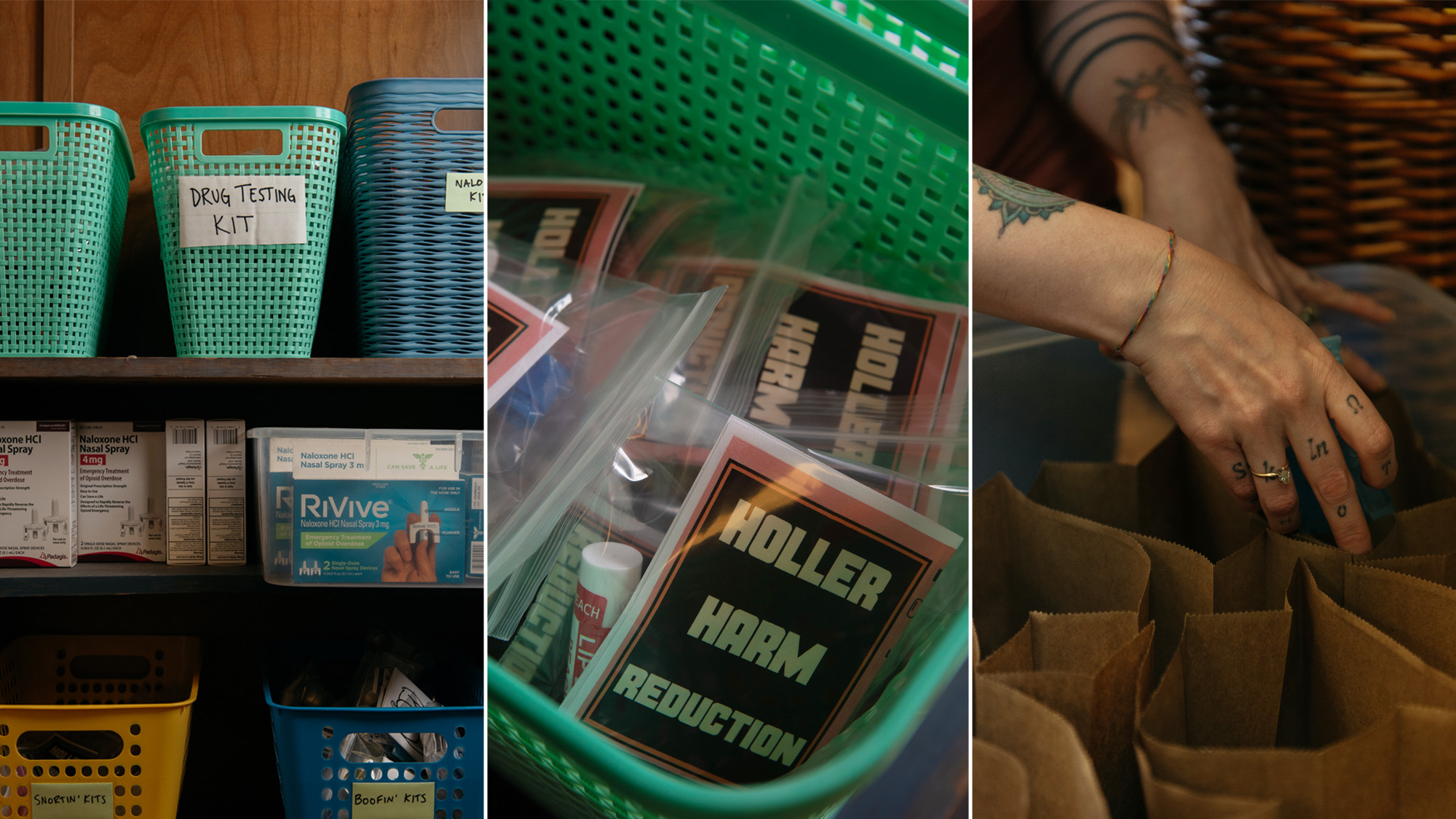
Harm reduction groups in North Carolina, Tennessee, and Georgia mobilized emergency responses. Organizations like Equitas Health and local needle exchange programs distributed medication, naloxone kits, and sterile supplies from mobile units and temporary sites. Healthcare providers at federally qualified health centers extended prescription refills and set up mobile clinics. Some groups coordinated with shelters to ensure people in recovery could access methadone and buprenorphine without interruption.
These efforts prevented a surge in overdose deaths during the crisis period. Yet the response exposed systemic fragility. Harm reduction services remain underfunded and geographically sparse. When disaster strikes, marginalized communities dependent on consistent access to treatment face disproportionate harm. Many regions lack adequate stockpiles of medications or protocols to maintain services during emergencies.
Climate change will intensify these challenges. More frequent hurricanes, flooding, and extreme weather events will repeatedly disrupt healthcare delivery for substance-using populations. Current emergency preparedness frameworks rarely account for harm reduction needs. Insurance barriers, prescription restrictions, and stigma already limit access. Disasters amplify these obstacles.
Policymakers must integrate harm reduction into disaster planning before the next hurricane hits.