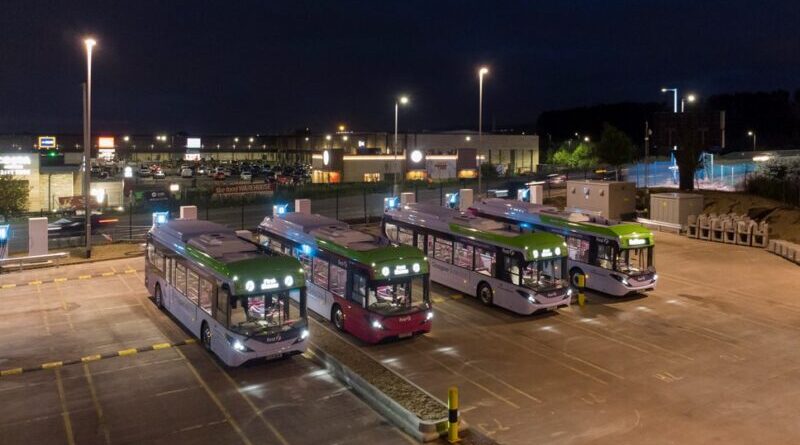
Electric bus depots in the UK are now functioning as grid support infrastructure, using parked vehicles' battery capacity to stabilize the national electricity system. This application transforms public transit fleets into mobile energy storage assets that can discharge power back to the grid during peak demand periods or when renewable generation dips.
The approach leverages vehicle-to-grid (V2G) technology, where batteries in stationary buses provide ancillary services to National Grid operators. Bus depots offer ideal conditions for this deployment. They concentrate hundreds of vehicles in single locations with established electrical infrastructure, predictable charging schedules, and extended idle periods when vehicles sit overnight or between routes.
The UK strategy addresses two concurrent challenges. First, the grid faces increasing strain from electrification across transport and heating sectors. Second, renewable energy sources like wind and solar create variability that requires flexible load management and storage. Bus depots can absorb excess renewable generation during low-demand periods and release stored energy when needed, effectively functioning as distributed battery systems.
Unlike stationary batteries, electric buses double as transportation while simultaneously providing grid services. Depot operators earn revenue from grid support contracts, improving the economics of fleet electrolization. The batteries degrade naturally over time, but this degradation occurs gradually and does not prevent their continued use for grid stabilization during the second half of their operational life.
Several UK operators have already piloted depot-based V2G systems, with results showing the technology reliably responds to grid demand signals. The depots communicate with grid operators in real time, adjusting charging rates or discharging power within minutes of receiving system commands.
This development reflects broader recognition that electric vehicle infrastructure represents embedded resilience for electricity networks. As the UK accelerates bus fleet electrification to meet transport decarbonization targets, depots increasingly operate as dual-purpose assets. The model proves replicable across other vehicle types and geographies, positioning electrified