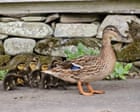
A tawny owl nests in a Northumberland garden sycamore, departing each evening on the same silent trajectory toward woodland. A woodcock moves cautiously along the path below, using hedgerow cover. A mallard tends her nest nearby. These three species, documented by observer Susie White in Allendale, illustrate a pattern ecologists recognize as the "human shield" effect. Wildlife establishes territories in residential gardens and near human habitation because predators and disturbance avoid such spaces. The phenomenon represents both opportunity and paradox for conservation.
Gardens function as refuge zones where nesting birds find reduced predation pressure. The presence of human activity, rather than deterring all wildlife, actually protects vulnerable species during breeding seasons. Tawny owls, woodcocks, and mallards face mounting pressure from habitat loss across Britain. Intensified agriculture has eliminated hedgerows and wetlands that once provided nesting sites and hunting grounds. Fragmented woodlands offer less security than they once did.
Residential gardens now serve as de facto wildlife reserves, particularly in lowland regions where natural habitat has contracted severely. The shift reflects decades of woodland clearance and agricultural expansion. These three species share common needs: dense cover for nesting, proximity to food sources, and freedom from persecution. All three find these conditions in gardens where landowners tolerate their presence.
The human shield effect demonstrates that species survival depends partly on human tolerance rather than pristine wilderness alone. Yet this dependency also creates vulnerability. Gardens disappear when properties change hands. Management practices shift. The owl's nest box requires maintenance; the woodcock needs undisturbed ground cover; the mallard requires water. Without sustained commitment from householders, these populations have nowhere else to go.
White's observations document a landscape where human space and wildlife space have merged entirely. Conservation now operates at the garden scale, dependent on thousands of