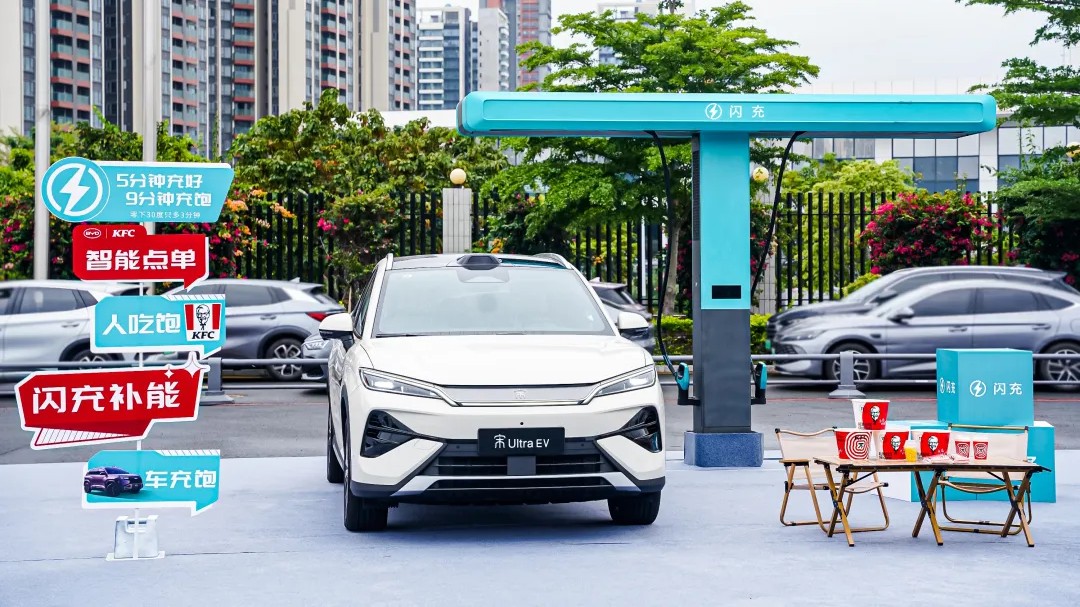
Chinese electric vehicle drivers report minimal concern about battery range, challenging a persistent narrative about EV adoption barriers. The observation emerges as China's EV market matures with expanded charging infrastructure and improved battery technology.
Range anxiety, long cited as a primary obstacle to EV adoption, appears less prevalent among actual Chinese EV owners than among potential buyers who have not yet switched to electric vehicles. The distinction matters for policy makers and automakers assessing real versus perceived obstacles to electrification.
China commands the world's largest EV market, with 2024 deliveries exceeding 10 million vehicles. This scale provides robust real-world data on how drivers adapt to battery-powered transportation. The country has deployed over 2 million public charging points, complemented by residential charging networks in urban areas. Coverage density in major cities reduces practical concerns about locating chargers for daily commutes.
Modern Chinese EVs offer improved range specifications. Leading models from BYD, NIO, and XPeng deliver 300 to 600 kilometers per single charge, aligning with typical daily driving patterns. Battery technology advances have extended vehicle lifespan while reducing cost per kilowatt-hour.
The experience of current EV drivers matters more than theoretical projections for understanding adoption dynamics. Owners report that driving patterns adapt naturally to available infrastructure. Urban commuters charge overnight at home or work. Longer trips require route planning similar to internal combustion engine vehicles needing fuel stops. This behavioral shift happens quickly for most drivers.
The gap between EV driver confidence and non-driver skepticism suggests that familiarity reduces anxiety. Once drivers experience consistent access to charging and realistic daily range, concerns dissipate. This pattern repeats across markets where EV infrastructure reaches critical mass.
China's experience offers lessons for other regions implementing electrification targets. Market maturation requires concurrent investment in charging networks alongside vehicle production. Both components reach