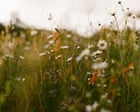
The Eden Project's National Wildflower Centre opened entries on May 29 for its Wildflower Photographer of the Year 2026 competition, drawing submissions focused on Britain and Ireland's 1,600 wildflower species. The annual contest celebrates native flora through photography and raises public awareness of the region's botanical diversity.
Selected images from the 2026 competition will display at Eden Dock in London's Canary Wharf during CWG's Nature Week, running from July 13. The exhibition brings wildflower photography to a high-traffic urban location, reaching audiences beyond traditional conservation circles.
Britain and Ireland host one of Europe's richest wildflower ecosystems, yet habitat loss threatens numerous species. Intensive agriculture, urban development, and land use changes have reduced native flower populations across both islands. Wildflower habitats provide essential resources for pollinators, including bees and butterflies, which face their own population pressures from pesticide use and climate change.
The competition reflects growing recognition of wildflowers' ecological function. Native flowers support food webs, stabilize soils, and sequester carbon. Their decline signals broader ecosystem degradation. Conservation groups have increasingly promoted wildflower restoration through seed banking, habitat protection policies, and public engagement initiatives.
The Eden Project, a leading environmental education organization based in Cornwall, positions the wildflower competition within its broader mission to demonstrate sustainable living practices. By elevating wildflower photography to a national platform, the center encourages public participation in documenting and protecting Britain and Ireland's floral heritage.
Public photography competitions serve dual purposes in environmental work. They generate visual records of species distributions and conditions while mobilizing citizen scientists and photographers as conservation advocates. Participants often develop deeper investment in the species they photograph, translating into support for protection policies and habitat restoration projects.