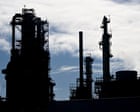
Former oil and gas industry leaders have warned that Australia will face higher energy costs if Prime Minister Anthony Albanese's government continues prioritizing fossil fuel projects over clean energy expansion.
The executives argue that accelerating renewable energy deployment protects Australian consumers from volatile energy price shocks. This represents a sharp break from industry orthodoxy. These figures, who previously profited from petroleum extraction, now endorse renewable acceleration as the economically rational path.
Australia's energy market remains volatile. Wholesale electricity prices spiked dramatically in recent years, driven partly by gas supply constraints and global LNG export competition. Renewable energy reduces exposure to these price swings by lowering dependence on gas imports and volatile international markets.
The warning arrives as the Albanese government navigates competing pressures. Labor pledged to reduce emissions by 43 percent below 2005 levels by 2030, requiring rapid coal and gas phase-out. Simultaneously, the government has approved several new coal and gas projects, citing jobs and revenue concerns.
Energy economists consistently find that rapid renewable deployment lowers long-term system costs. Renewables operate with zero fuel costs once installed. They reduce reliance on expensive imported gas and shield grids from fuel price volatility that hits household bills.
Australia's National Energy Market showed renewable penetration reaching record levels in recent years, correlating with periods of lower wholesale prices. However, aging coal plants and delayed transmission infrastructure create bottlenecks that slow clean energy integration.
The former oil and gas leaders' statement carries symbolic weight. Industry insiders acknowledging renewables as the economically superior option undercuts arguments from fossil fuel advocates who claim transition threatens prosperity. Their position aligns with analysis from the International Energy Agency and Australian National University research showing clean energy as the cheaper pathway.
Albanese faces a policy choice: continue approving fossil fuel projects that lock in decades of emissions and price exposure, or accelerate renewable