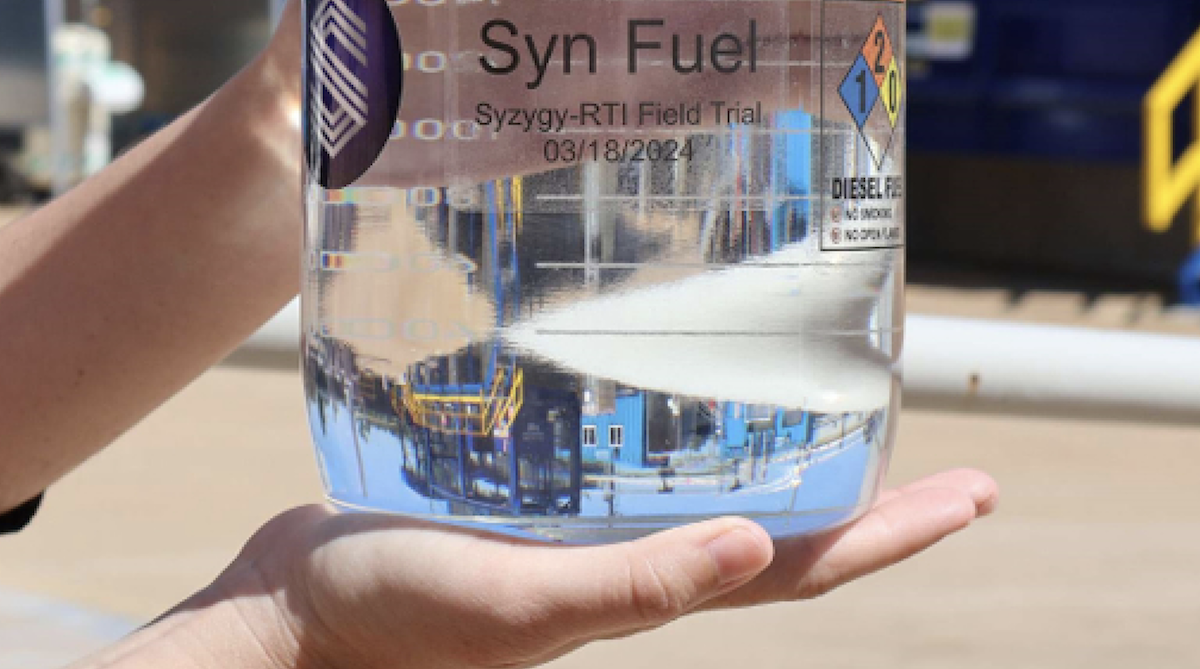
Syzygy Plasmonics, a US startup, has developed a biogas-to-fuel system that converts sustainable aviation fuel (SAF) from methane sources. The technology has attracted renewed commercial interest following recent geopolitical disruptions to oil markets that have narrowed the price gap between SAF and conventional jet kerosene.
The company's approach uses biogas, a renewable methane source often derived from agricultural and waste streams, as feedstock for SAF production. This pathway addresses a persistent barrier to SAF adoption. Aviation currently accounts for roughly 2 to 3 percent of global carbon emissions, with jet fuel demand projected to grow substantially through 2050. SAF can reduce lifecycle carbon emissions by up to 80 percent compared to conventional kerosene, but cost parity has remained elusive.
Syzygy Plasmonics' background in powdered milk production demonstrates how industrial biogas capture infrastructure, already present in dairy and food processing operations, can transition to energy production. This cross-sector innovation reduces capital requirements and deployment timelines by leveraging existing facilities.
The timing aligns with shifting aviation fuel economics. Conventional jet fuel prices have risen following supply disruptions, compressing the cost differential that has historically made SAF uncompetitive. The U.S. government maintains a Sustainable Aviation Fuel Grand Challenge targeting a 50 percent reduction in lifecycle emissions by 2030 and net-zero emissions by 2050. Several airlines have committed to SAF blending mandates, with American, United, and Southwest among carriers already using ASTM-approved SAF blends in commercial flights.
SAF production capacity remains constrained globally. Current facilities produce roughly 100 million gallons annually, far below the billions of gallons needed to meet 2030 targets. Biogas feedstocks offer scalability advantages because methane capture infrastructure spans multiple