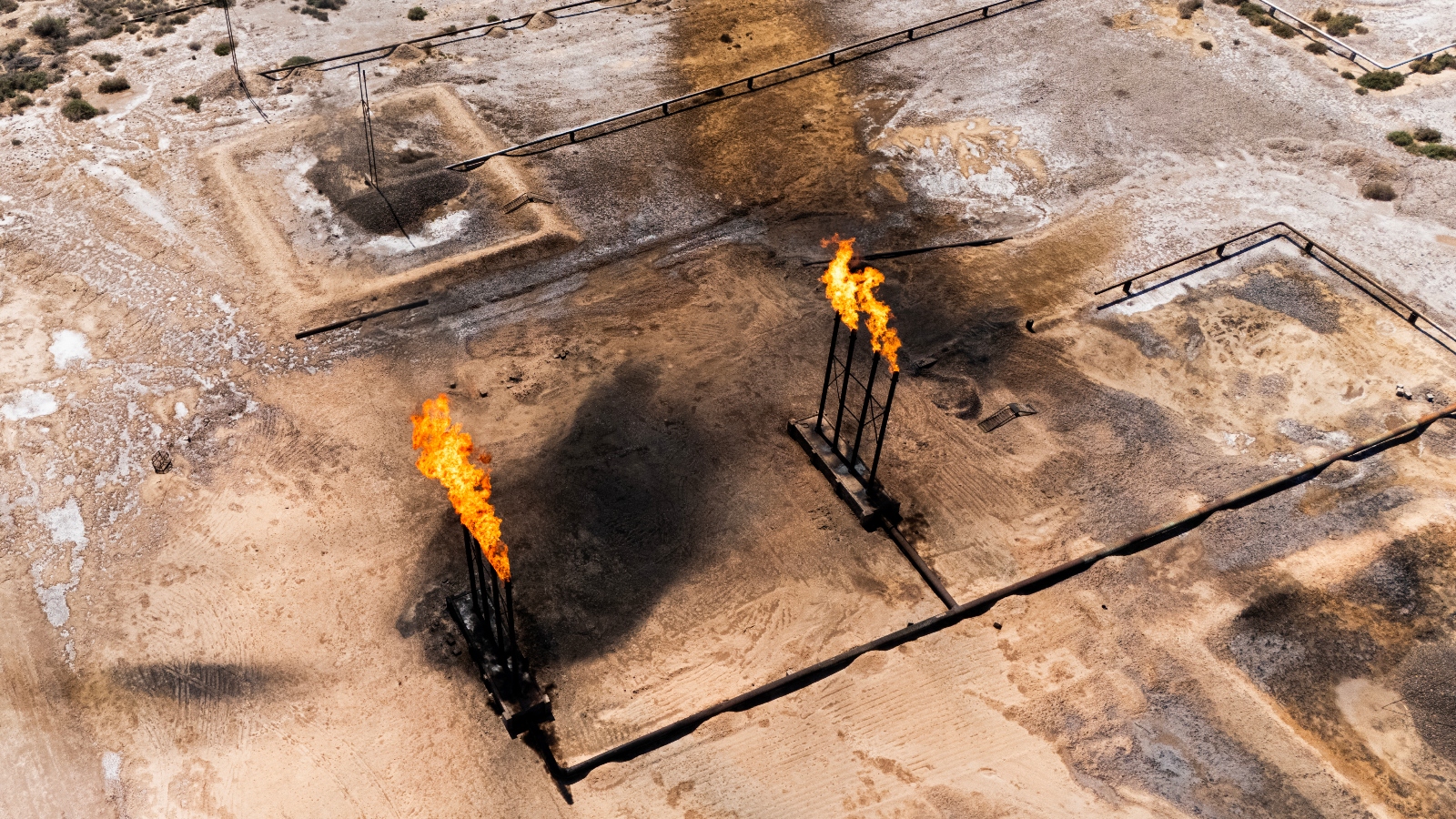
The escalating Iran conflict is accelerating a structural shift in global energy markets that favors renewables over fossil fuels. Oil prices have remained volatile but contained, defying historical patterns where Middle Eastern instability triggers supply shocks. This disconnect reveals fundamental changes in energy supply chains and demand patterns.
Renewable energy capacity expansions are outpacing fossil fuel investment globally. Solar and wind installations reached record levels in 2024, driven partly by supply chain diversification away from geopolitically vulnerable regions. Battery storage technology improvements have reduced grid stability concerns tied to intermittency, allowing utilities to absorb renewable energy at scale previously considered impossible.
The conflict exposed vulnerabilities in oil-dependent economies. Nations reliant on Middle Eastern crude face pressure to accelerate renewable transitions. Germany and Japan, both having experienced energy security crises, accelerated clean energy targets following the tensions. Saudi Arabia itself has quietly increased renewable capacity, signaling recognition that oil-centric energy strategies carry unacceptable geopolitical risk.
Natural gas occupies an uncertain middle position. Some view liquefied natural gas as a transition fuel away from coal and oil. Others argue it locks in fossil fuel infrastructure that renewables could replace directly at lower cost. European nations debated extending gas contracts even as renewable auction prices dropped below 30 dollars per megawatt-hour in competitive bidding.
Coal demand faces structural decline independent of the conflict. China's coal consumption peaked in 2023, and global coal-fired power plant retirements exceeded new construction. The geopolitical instability reinforces economic incentives already pushing utilities toward renewables.
The conflict underscores a two-decade trend. Rising renewable energy deployment reduces the strategic importance of oil-exporting regions. Nations controlling mineral supplies for battery production—cobalt, lithium, rare earths—gain leverage. This reshuffles global power dynamics entirely.
Energy independence becomes achievable through distributed