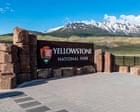
The Trump administration is scaling back hunting restrictions across federal lands through a January order from Interior Secretary Doug Burgum. Managers at 55 national parks, wildlife refuges, and wilderness areas have already lifted hunting prohibitions following Burgum's directive to remove what he called "unnecessary regulatory or administrative barriers" to hunting and fishing.
The order requires federal agencies to justify any hunting restrictions they retain, effectively reversing the burden of proof. Previously, agencies needed to establish justification for permitting hunting. Now they must defend restrictions themselves.
This shift affects a broad swath of protected federal land. The Interior Department oversees the National Park Service, Fish and Wildlife Service, and Bureau of Land Management. These agencies collectively manage hundreds of millions of acres where hunting has been prohibited or heavily restricted to protect wildlife populations and visitor safety.
Wildlife experts raise concerns about the impact. Many protected areas maintained hunting bans specifically to allow animal populations to recover or to safeguard visitors from firearm use in high-traffic zones. Parks like Yellowstone historically prohibited hunting to rebuild depleted elk and bison herds. Refuges established breeding grounds where waterfowl and migratory birds nest without predation pressure.
Visitor safety presents another issue. National parks attract millions of recreationalists annually. Expanding hunting seasons and zones increases the risk of accidents involving hikers, campers, and families. The National Park Service has documented incidents where hunting and non-hunting recreation conflicted on shared lands.
Burgum framed the order as expanding recreational access and economic opportunity, particularly for rural communities near federal lands. Hunting generates revenue through licensing and equipment sales, and some argue it provides population control for certain species.
However, conservation groups contend the directive prioritizes extraction over preservation. Federal protected lands were established partly to maintain wildlife habitat free from hunting pressure. Rapid deregulation without biological justification could undermine species recovery programs and ecological