Water stress across the United States is reaching critical junctures this summer, with immediate threats to supply in two major regions signaling broader vulnerability in American infrastructure.
In Corpus Christi, Texas, a severe drought has strained the city's primary water source. Saltwater intrusion now threatens freshwater aquifers as surface reservoirs drop to dangerously low levels. The city faces potential rationing if conditions worsen, affecting nearly half a million people in the surrounding area.
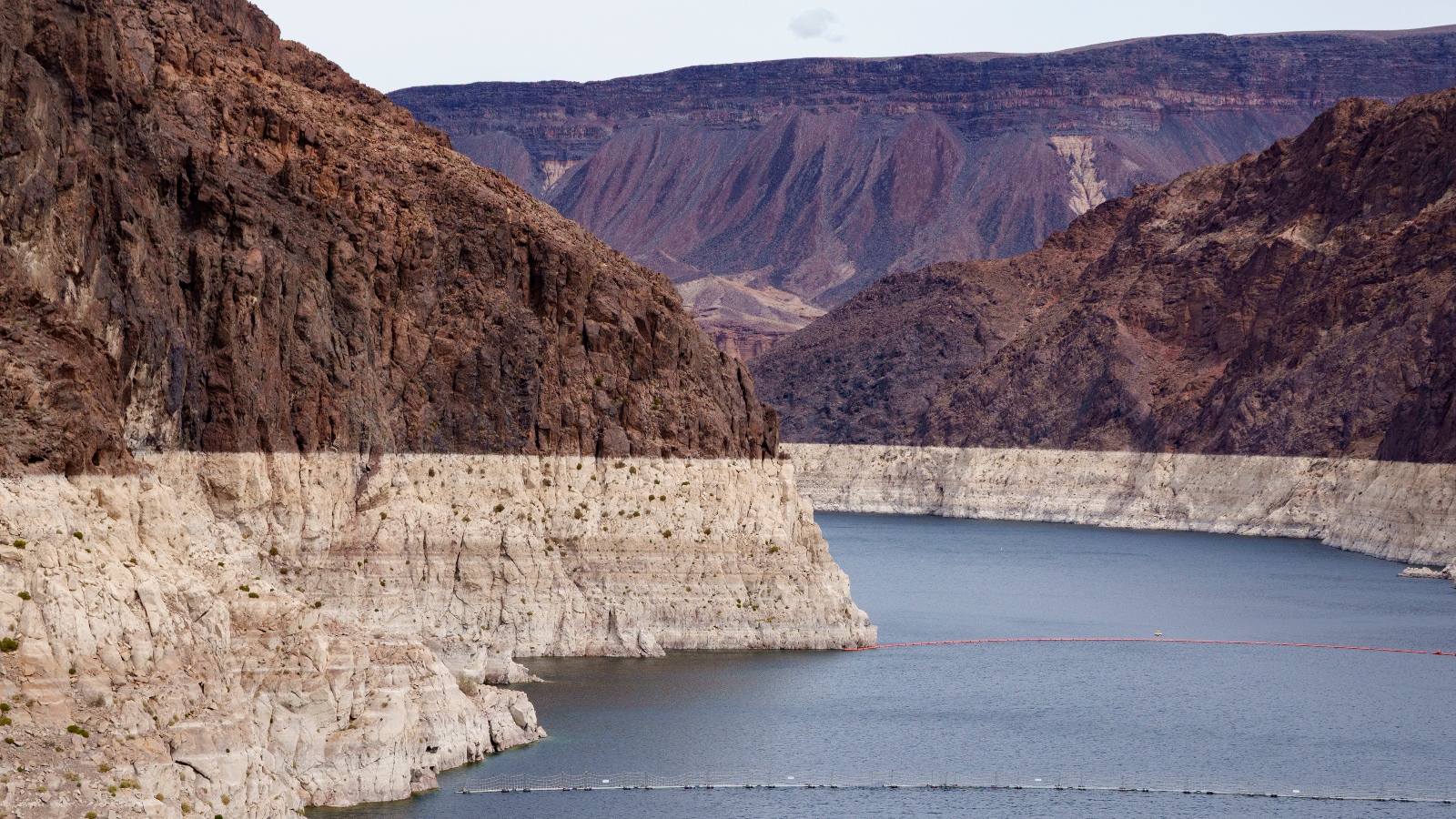
The Colorado River system confronts its own reckoning. Lake Mead and Lake Powell, the two largest reservoirs in the nation, have fallen to historic lows due to a 23-year megadrought spanning the Southwest. Federal water managers have already implemented cuts to water allocations for Arizona, Nevada, and California. These reductions directly impact irrigation for agriculture and drinking water for cities from Las Vegas to Southern California.
The Colorado River Compact, signed in 1922, allocated water based on assumptions of annual flow rates that no longer hold. Climate data shows the river now delivers roughly 15 percent less water than the compact anticipated. The Southwest's population has more than doubled since the agreement took effect, intensifying demand against declining supply.
Heat exacerbates both crises. Higher temperatures increase evaporation from reservoirs and boost water consumption for cooling and irrigation. This summer's temperatures across the Southwest are tracking above normal, accelerating the depletion timeline.
These concurrent crises expose gaps in water management across the nation. Many regions rely on aging infrastructure designed for wetter climate conditions. Investment in drought-resilient systems, recycled water infrastructure, and conservation measures remains inadequate relative to the scope of the challenge.
States along the Colorado River have negotiated short-term agreements to stabilize the system, but long-term solutions require confronting hard realities. Population growth, agricultural demand, and climate change