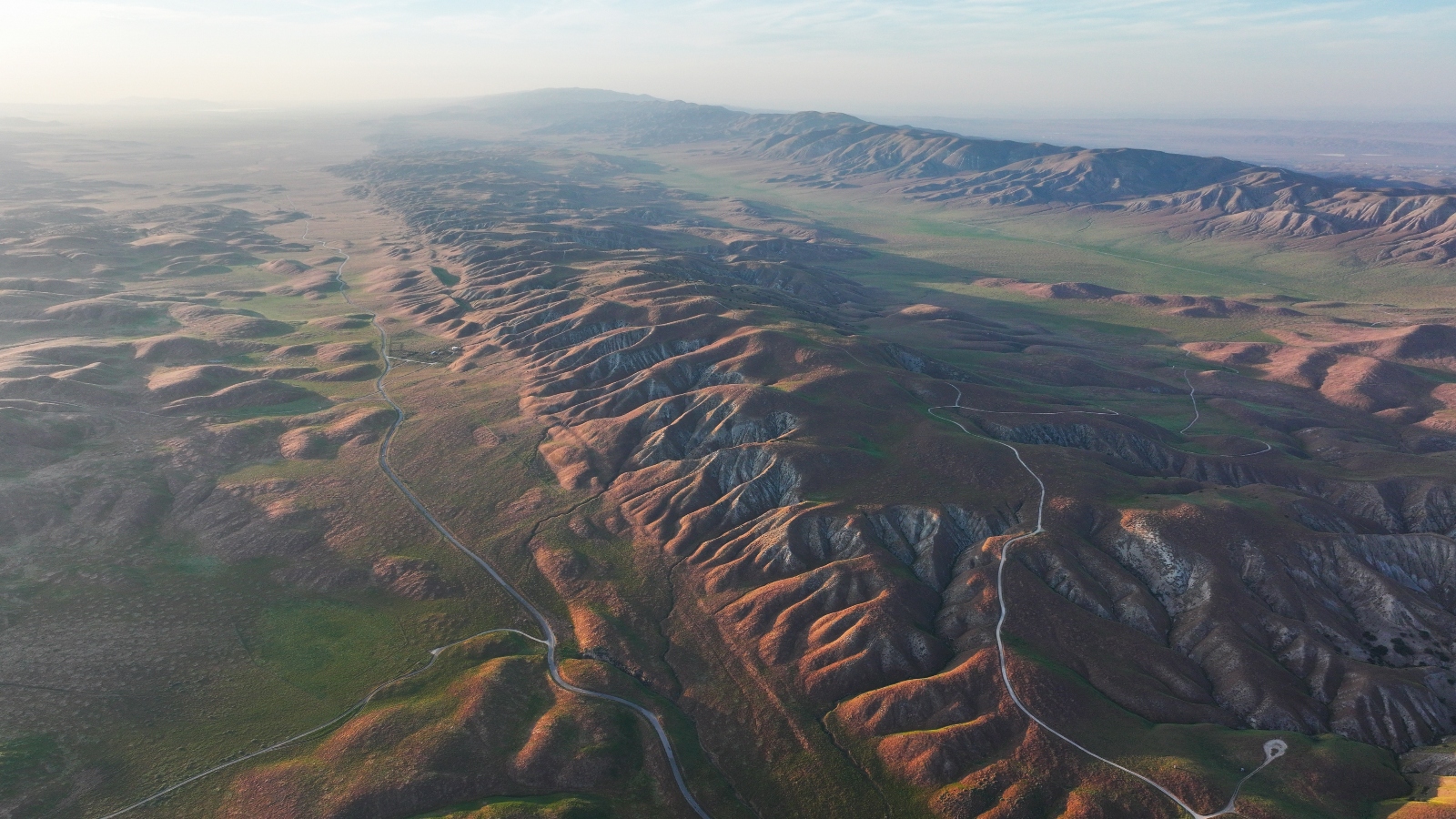
Record-breaking heat across the American West this winter has decimated ecosystems already stressed by years of drought and warming temperatures. Scientists report that abnormally high temperatures arriving at winter's end triggered cascading failures in water systems, wildlife reproduction cycles, and forest health.
The timing proves catastrophic. Winter precipitation in the West arrived below historical averages, leaving snowpack—the region's critical water storage system—depleted before spring melt. When record heat followed, remaining snow vanished rapidly, preventing the slow, steady water release ecosystems depend on through dry months. Rivers and aquifers face severe depletion heading into summer.
Wildlife populations face reproductive collapse. Early warming triggered premature flowering and insect emergence, breaking the synchronized timing that allows birds and mammals to find food for their young. Species including sage grouse and mule deer are experiencing breeding failures across multiple states. Riparian ecosystems dependent on winter moisture show widespread vegetation stress.
Forest health deteriorated sharply. Warmer winters allow bark beetle populations to survive and proliferate, devastating coniferous forests across Montana, Colorado, and California. Trees already weakened by drought succumbed rapidly to insect pressure. Fire risk intensifies as dead tree biomass accumulates.
Water managers across the Colorado River Basin, California, and the Pacific Northwest implemented emergency restrictions. Lake Mead and Lake Powell—the nation's two largest reservoirs—continued declining toward historic lows. Agricultural allocations face deeper cuts. Municipal water systems prepared for extended shortages.
The ecological damage compounds existing vulnerabilities. The West entered this winter already experiencing a 23-year megadrought, the driest period in 1,200 years according to recent dendrochronological studies. Back-to-back warm winters accelerate the region's transition toward arid conditions.
Scientists emphasize the pattern will intensify. Climate models project continued winter warming across the West,