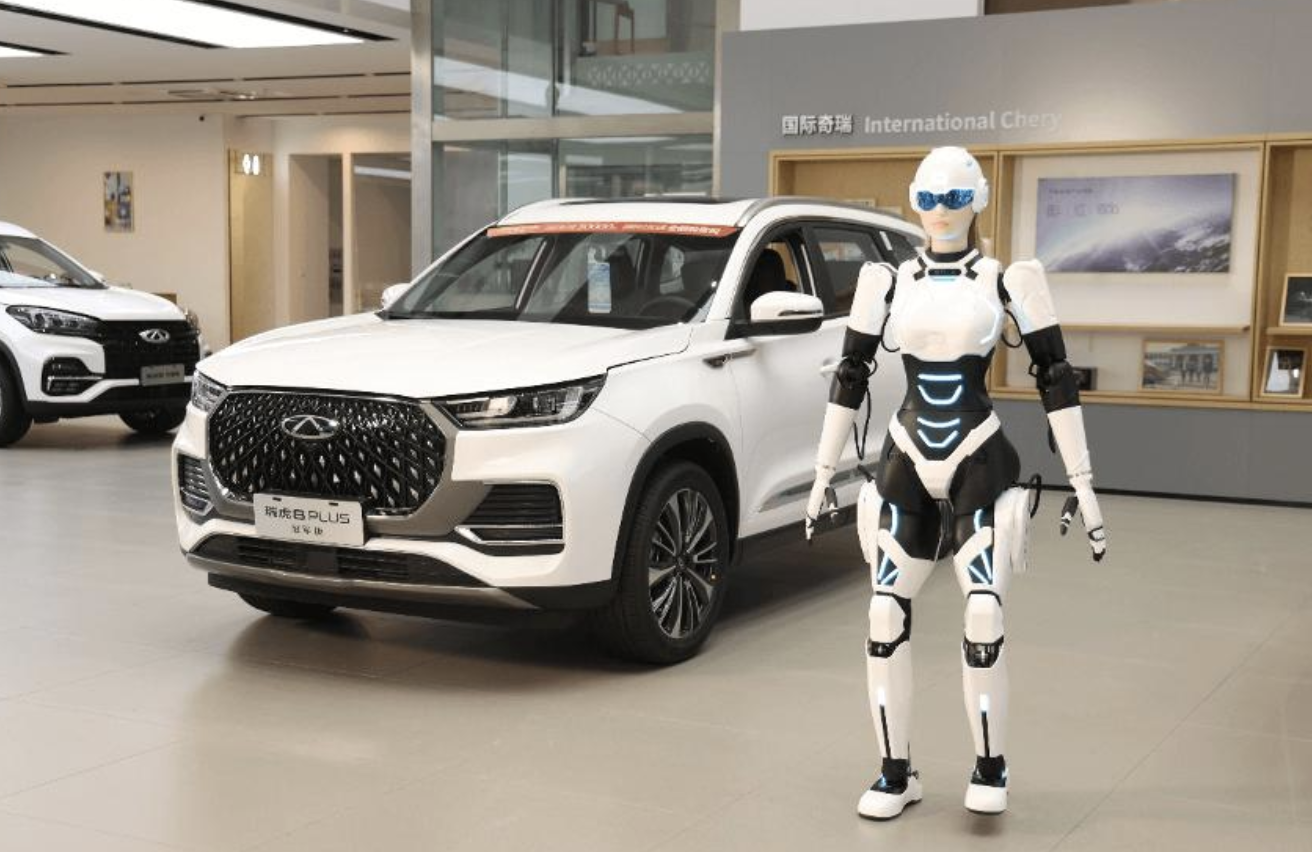
Canada's electric vehicle market is shifting toward conditions that favor Chinese automakers, according to analysis grounded in trade pragmatism rather than protectionist resistance. The observation reflects Mark Carney's stated principle: "We take the world as it is, not as we wish it to be," signaling Canada's acceptance of diversified EV supply chains amid global trade uncertainty.
Chinese EV manufacturers including BYD, NIO, and XPeng have entered or are entering the Canadian market with competitive pricing and manufacturing capabilities that domestic and traditional Western automakers struggle to match. These companies control vertically integrated battery production, supply chains, and cost structures that give them pricing advantages in price-sensitive segments. Canada's EV adoption remains concentrated in early adopter demographics with higher purchasing power, but mass-market electrification requires affordable vehicles where Chinese producers excel.
Canada's policy environment increasingly accommodates this shift. Federal EV incentives and provincial charging infrastructure investments support electrification broadly without nationality-based restrictions on eligible vehicles. Trade policy under the United States-Mexico-Canada Agreement constrains some protectionist measures, while tariff barriers against Chinese EVs remain lower than those applied by the United States or European Union.
The economic calculation favors openness. Chinese automakers bring manufacturing investment, jobs, and technological transfer potential to Canada. They accelerate overall EV adoption rates by offering price points unavailable from North American and European competitors. Hedging against supply chain disruption and geopolitical tension in trade relationships justifies market diversification rather than single-source reliance on traditional automakers.
This trajectory differs markedly from earlier Canadian EV policy, which assumed domestic manufacturers and traditional suppliers would dominate the transition. General Motors and Ford expanded EV production in Canada, but production volumes and cost competitiveness lag Chinese entrants. Tesla maintains price leadership but remains supply-constrained globally.
The pragmatic stance acknowledges