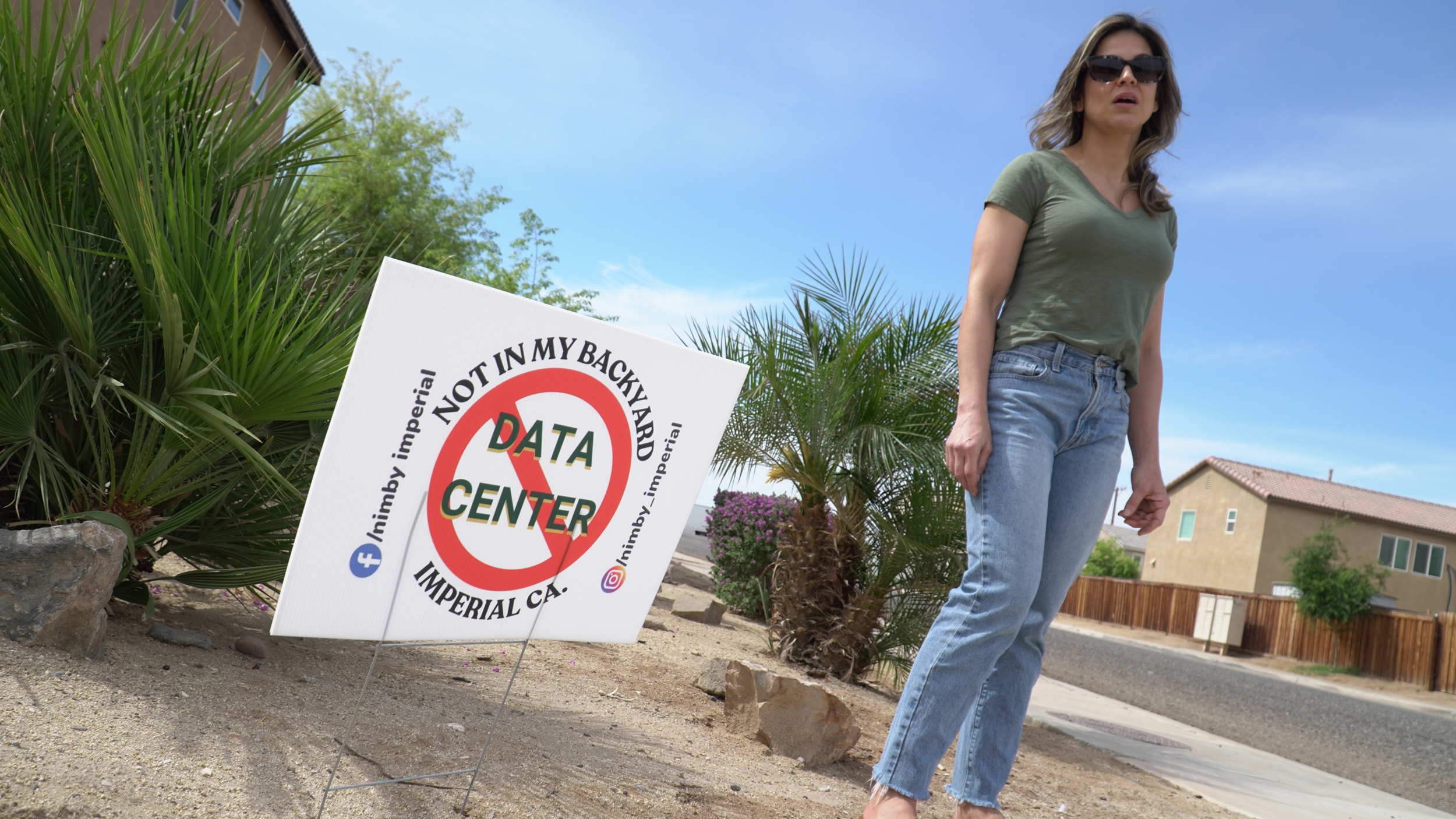
California's data center boom collides with a water crisis. The state expects 24 new data centers to open soon, adding to roughly 280 existing facilities. A single proposed data center in the Imperial Valley would consume 750,000 gallons of water daily, raising urgent questions about supply in a drought-stricken region.
Data centers require enormous volumes of water for cooling systems. The Imperial Valley facility represents just one project among dozens in the pipeline across California. State officials and water experts warn that satisfying cooling demands from these expanded operations will strain already depleted aquifers and surface water sources.
California faces competing pressures. The state runs a structural water deficit, with agricultural irrigation consuming the largest share of available supplies. Tech companies have invested heavily in data center expansion to support artificial intelligence and cloud computing growth. The Imperial Valley and other inland regions offer cheaper land and existing electrical infrastructure, but they also face the harshest water constraints.
Water managers have begun flagging concerns about cumulative demand. The state water board and regional authorities lack clear protocols for assessing data center water impacts on broader hydrological systems. Some districts have started requiring efficiency audits, but standards remain inconsistent.
The sector argues that recycled water and advanced cooling technologies can minimize consumption. Some proposed facilities plan to use treated wastewater or air-cooled systems rather than water-intensive methods. However, not all regions have adequate recycled water infrastructure, and air cooling reduces efficiency in hot climates.
The timeline matters. These data centers will likely begin operations within the next two to five years, coinciding with persistent drought conditions across the West. California's surface water allocation from the Colorado River continues declining. Groundwater pumping in the Central Valley and other regions has already caused significant land subsidence.
State policymakers face pressure to balance economic interests against environmental and agricultural water security. Without coordinated planning, data center expansion could accelerate