A critical Atlantic Ocean current system is weakening faster than climate models predicted, according to an April 2026 study published in Science Advances. The research identifies global warming as the primary driver of this acceleration, with potentially severe consequences for Europe, Africa, and the Americas.
The Atlantic Meridional Overturning Circulation (AMOC), which includes the Gulf Stream, transports heat northward and regulates climate patterns across the Northern Hemisphere. This system has already slowed by 15 percent since the mid-20th century. The new findings suggest the pace of decline will outpace earlier projections, pushing the system toward a critical threshold sooner than anticipated.
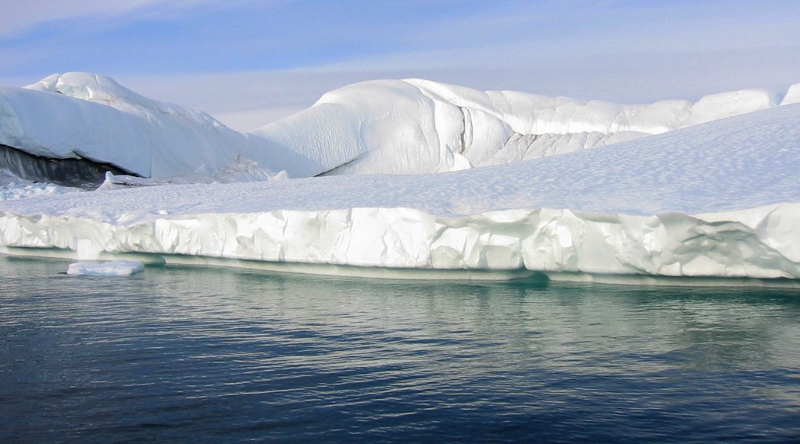
The mechanism is straightforward. Melting Greenland ice sheets and increased freshwater from Arctic regions dilute the salt content of North Atlantic waters. Freshwater reduces the density of surface water, weakening the "thermohaline" circulation that drives AMOC. Climate models had predicted significant weakening by 2100, but observational data now indicates the transition could accelerate dramatically within decades.
The stakes are concrete. A substantial AMOC collapse would disrupt weather patterns across multiple continents. Europe faces cooler winters and reduced precipitation. West African monsoons could shift, threatening agricultural productivity in already vulnerable regions. Atlantic hurricane patterns may intensify. Ocean ecosystems dependent on current-driven nutrient cycling face disruption. Commercial fisheries and marine food webs would experience cascading impacts.
The Science Advances study analyzed decades of observational data from monitoring buoys, satellite measurements, and climate reconstructions. Researchers cross-referenced these records against ensemble climate models to identify where real-world observations diverged from model projections. The divergence pointed to feedback mechanisms not fully captured in standard models, particularly the freshwater input accelerating more rapidly than modeled.
Current research remains uncertain about the exact timeline for reaching a tipping