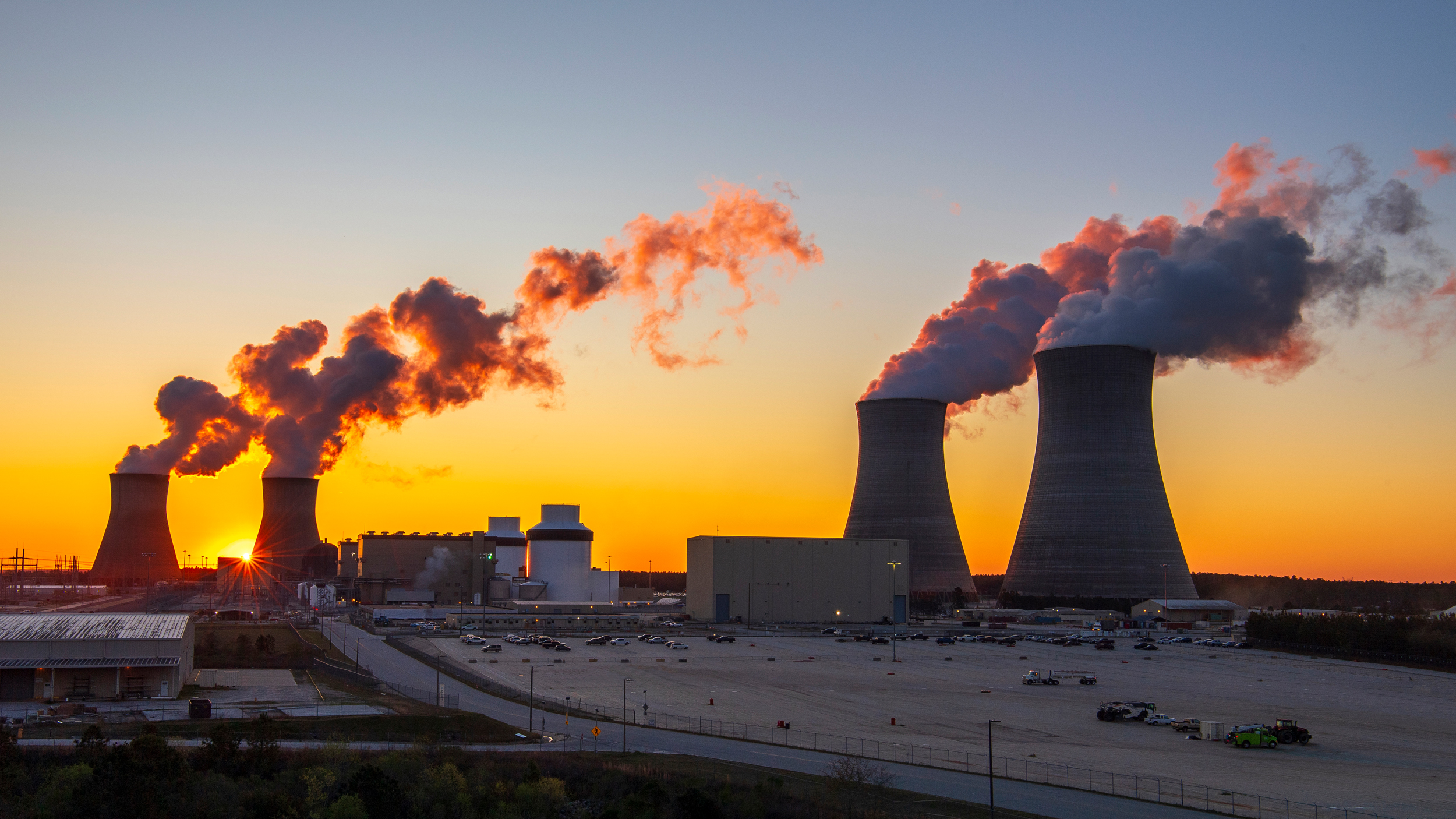
Georgia's newest nuclear reactors at Plant Vogtle continue to generate controversy two years after entering commercial operation. The facility's two advanced reactors, Units 3 and 4, came online in 2023 and 2024 respectively, but ratepayers across Georgia remain burdened by the project's ballooning costs.
The original construction timeline stretched from 2009 through 2024, far exceeding initial projections. Cost overruns mounted substantially throughout the build, transforming the expansion into one of the most expensive nuclear projects in U.S. history. Georgia Power Company passed significant portions of these expenses to customers through rate increases, creating friction with consumer advocates and regulators.
The completion of Vogtle Units 3 and 4 represented the first nuclear reactors built from the ground up in the United States in decades, making the project a test case for the nuclear industry's viability in the modern era. Proponents argue the reactors provide carbon-free baseload power essential to decarbonization goals. Critics counter that the project's delays and expense demonstrate the economic challenges nuclear energy faces against declining renewable costs.
Despite completion, Georgia residents continue absorbing the financial legacy of the project. Rate recovery mechanisms allow utilities to collect construction costs from customers over extended periods, meaning ratepayers will fund Vogtle for years beyond its opening. Consumer groups have challenged these cost-allocation formulas before state regulators, though utilities have largely prevailed in recovering their investments.
The Vogtle expansion's trajectory carries national implications. As states consider nuclear expansion to meet carbon-reduction targets and grid reliability needs, utilities and policymakers point to actual construction experience at Vogtle to inform decisions. Opponents cite the project's history as evidence that new nuclear construction remains economically uncompetitive with wind and solar development.
Plant Vogtle now operates as a bellwether in America's