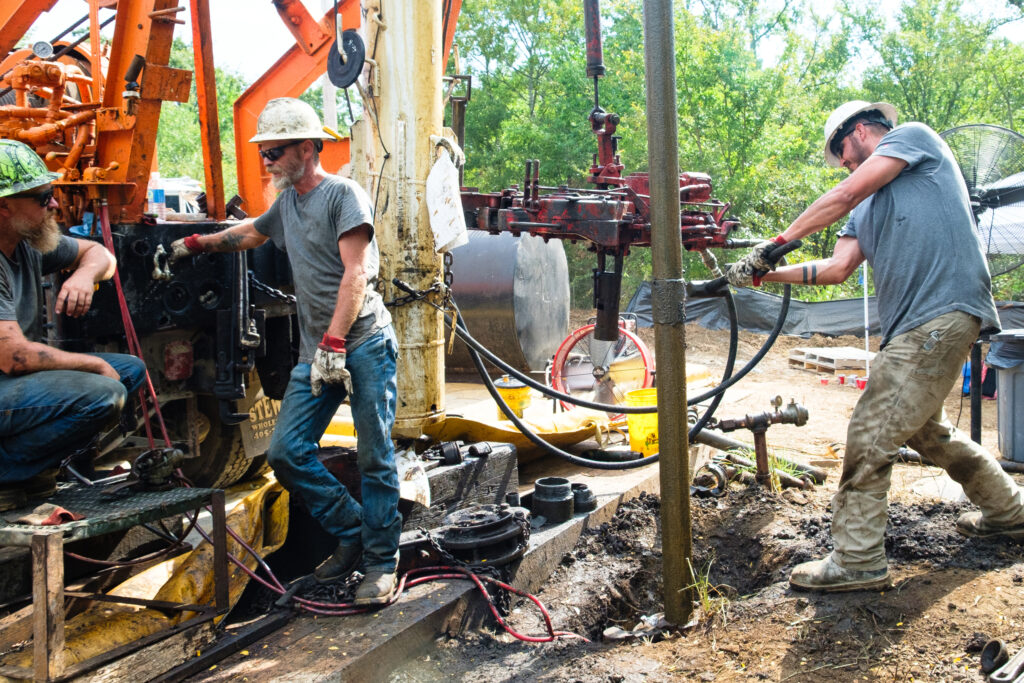
Hundreds of thousands of derelict oil and gas wells across the United States pose an escalating environmental and financial problem as operators abandon unprofitable sites rather than properly seal them.
The U.S. contains an estimated 3.2 million oil and gas wells, with roughly 2 million already plugged or abandoned. Yet tens of thousands remain orphaned, with no responsible party obligated to conduct cleanup. These derelict wells leak methane and other volatile compounds into the atmosphere, contaminate groundwater with brine and hydrocarbons, and create surface hazards.
Abandonment represents a calculated business decision by marginal operators. When wells stop producing profitable volumes, companies have minimal incentive to spend capital on proper decommissioning. Regulations vary by state, but enforcement remains inconsistent. Some operators declare bankruptcy or dissolve to escape obligations, leaving taxpayers and state environmental agencies responsible for remediation.
Methane emissions from abandoned wells contribute substantially to atmospheric concentrations of the potent greenhouse gas. A single leaking well can release significant volumes annually. The Environmental Protection Agency and various state geological surveys have documented thousands of abandoned wells with active methane emissions across Oklahoma, Texas, Colorado, and California.
Federal initiatives attempt to address the backlog. The Inflation Reduction Act allocated $250 million for well plugging and cleanup, targeting orphaned wells on public and tribal lands. State programs employ similar approaches, though funding remains constrained relative to the scale of the problem.
Remediation costs escalate with well age and complexity. Properly plugging a single well costs between $10,000 and $100,000 depending on depth and conditions. Multiplied across hundreds of thousands of sites, total cleanup costs exceed $40 billion nationally.
Operators argue that well abandonment reflects volatile commodity prices and narrow profit margins in mature basins. Environmental advocates counter that bonding requirements and