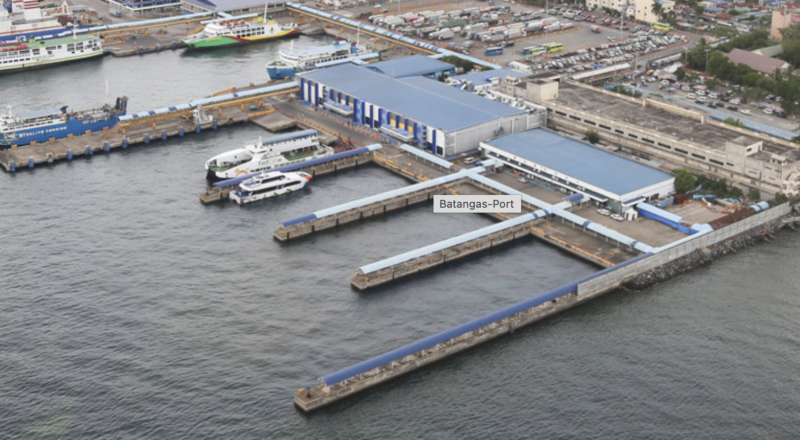
The Philippines identified San Miguel Bay in Bicol and the Guimaras Strait in Western Visayas as prime offshore wind zones, but development faces a fundamental infrastructure barrier. Port facilities, not sea conditions, now emerge as the limiting factor for deploying turbines at scale.
Offshore wind turbine installation requires specialized heavy-lift vessels and substantial port infrastructure capable of handling massive components. The Philippines lacks adequate deepwater ports equipped for this work. Turbine blades, towers, and foundations demand facilities with sufficient draft, cargo handling capacity, and staging areas. Current Philippine ports cannot accommodate the vessel traffic and equipment volumes that offshore wind projects generate.
The challenge extends beyond construction. Ports must support ongoing operations and maintenance vessels that service installed turbines. Rough sea conditions in the target zones necessitate reliable, well-protected harbor infrastructure. Without such ports, project developers face months-long delays sourcing vessels from distant countries, inflating costs substantially.
The Philippines aims to increase renewable energy capacity significantly, with offshore wind playing a central role in decarbonization targets. The government designated these two regions for development based on wind resources and grid proximity. However, port development remains underfunded and uncoordinated with renewable energy planning.
Building adequate port infrastructure requires substantial capital investment and years of construction. Developers cannot proceed with offshore wind projects while waiting for ports to materialize. This creates a catch-22: ports won't be built without committed offshore wind projects to justify spending, yet projects cannot move forward without ports.
Regional authorities in Bicol and Western Visayas must begin port modernization now to avoid delays later. Studies indicate that deepwater port facilities near the target wind zones could attract manufacturing investment in turbine components, creating additional economic benefits beyond energy generation.
The Philippines' offshore wind potential remains untapped until this infrastructure gap closes. Without coordinated planning between energy and port development agencies, the country risks