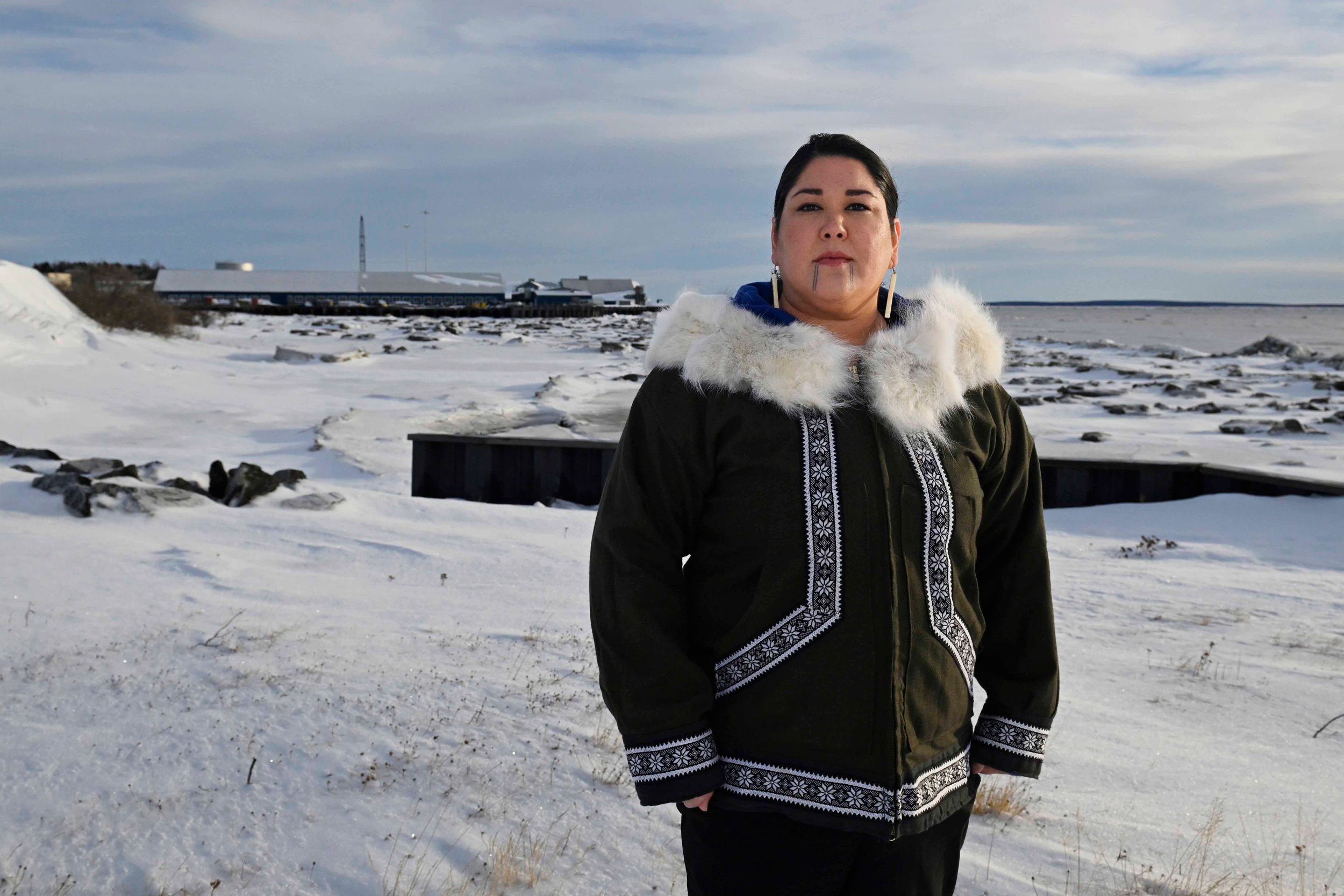
Indigenous leaders in Alaska's Bristol Bay are mounting sustained opposition to proposed mining development that threatens one of North America's most productive salmon fisheries. Alannah Hurley, executive director of the United Tribes of Bristol Bay, represents communities whose subsistence and commercial economies depend entirely on the bay's salmon runs.
The Pebble Mine project, first proposed in 2001 by Canadian mining company Hecla Mining, would extract gold and copper from headwaters feeding Bristol Bay. The mine's tailings infrastructure and operational footprint would occupy the drainage basin of a region that produces roughly half of the world's sockeye salmon. Bristol Bay supports a $2 billion annual commercial fishing industry and provides subsistence food for thousands of Alaska Native people.
Indigenous groups have opposed the project for two decades, citing irreversible damage to salmon habitat. The mine would require permanent storage of toxic mine waste, creating perpetual contamination risks in an ecosystem dependent on clean water flows. Previous permitting processes revealed that tailings dams could fail during earthquakes, a genuine hazard in Alaska's seismically active region.
In 2020, the Trump administration approved permits for Pebble. The Biden administration revoked those permits in January 2023, citing Bristol Bay's ecological and economic value. However, Hecla has not abandoned the project. The company continues seeking permits through state channels, keeping development pressure alive.
Hurley's organization works to maintain unified Indigenous opposition and influence policy decisions that affect their territories. The United Tribes represents multiple Native communities with direct stakes in Bristol Bay's health. Their strategy combines traditional ecological knowledge with scientific data showing how mining disrupts salmon spawning cycles and water quality.
The fight reflects broader tensions between extractive industries and Indigenous sovereignty. Bristol Bay demonstrates how Indigenous communities defend both subsistence rights and territorial integrity against external corporate interests. The outcome will shape whether Alaska's largest salmon ecosystem