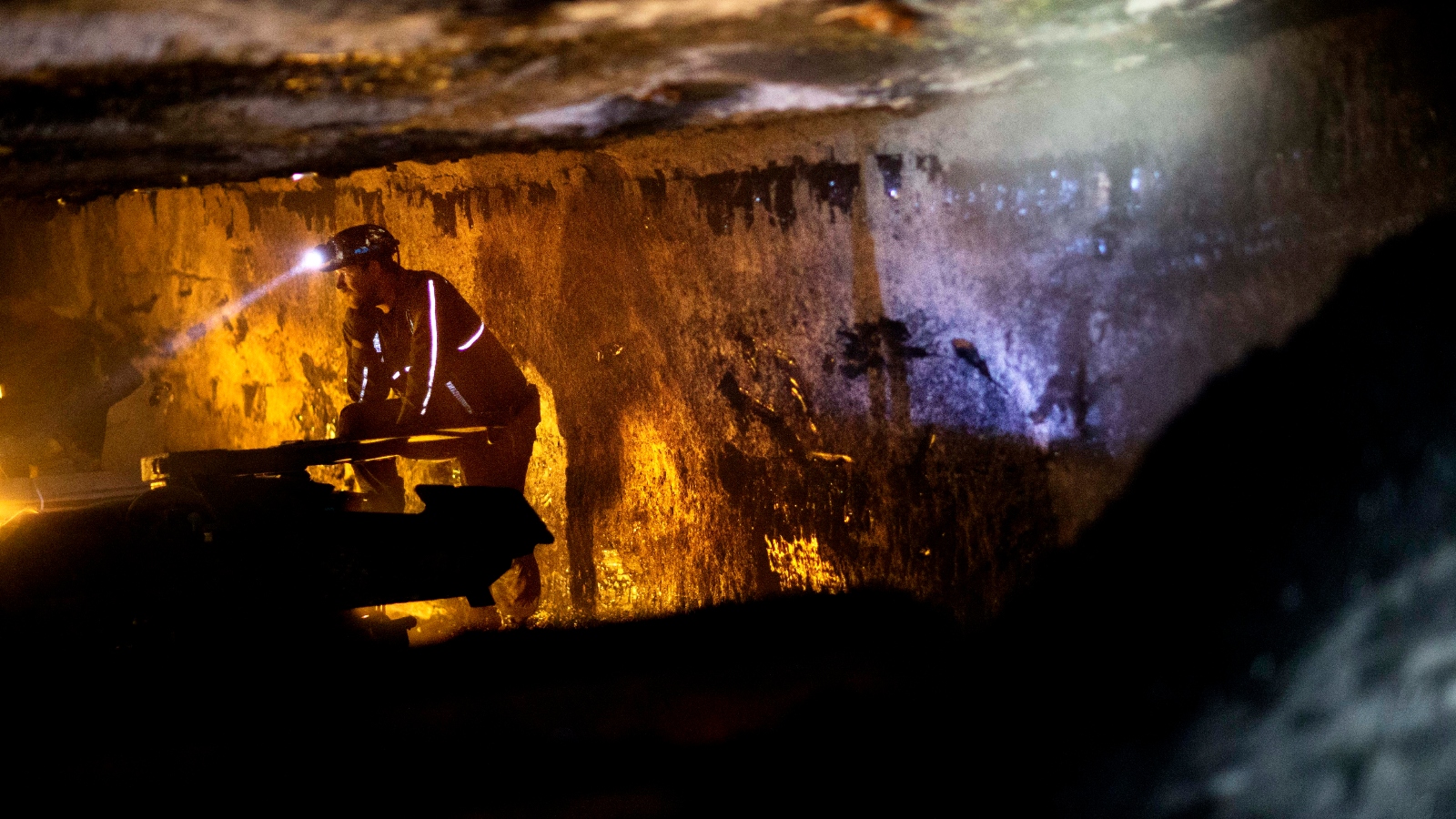
Black lung disease is resurging across Appalachia as federal protections against silica dust exposure stall amid industry opposition. The disease, caused by inhalation of coal and silica particles, had declined for decades following strict workplace regulations but now appears in miners at younger ages and with greater severity.
The Trump administration's investment in coal projects has coincided with a slowdown in implementing federal safety rules. The Occupational Safety and Health Administration has delayed enforcement actions and rule-making on respirable crystalline silica exposure limits, which would require coal operators to reduce airborne dust in mines.
Data from the National Institute for Occupational Safety and Health documents the troubling trend. Black lung diagnoses among working-age miners have increased substantially in recent years, particularly in Kentucky, West Virginia, and eastern Kentucky counties where deep mining operations concentrate.
Coal industry groups have contested proposed tighter silica exposure standards, arguing compliance costs exceed benefits. Operators claim current regulations suffice, despite mounting evidence that miners continue experiencing dangerous exposure levels. The industry has successfully lobbied for delays in rule finalization and implementation timelines.
Miners and their advocates point to inadequate air sampling protocols and enforcement gaps as primary drivers of the resurgence. Some operations use outdated equipment or manipulate sampling methods to report artificially low dust levels.
Appalachian miners face a narrowing window for intervention. Black lung progresses without cure, progressively restricting lung capacity until respiratory failure occurs. Early-stage cases identified through screening can prompt workers to leave mining before advanced disease develops, but many miners lack access to screening programs.
The gap between federal rule-making and disease progression creates immediate health consequences. Younger miners entering the workforce face higher lifetime exposure and greater disease risk than previous generations. Without enforced silica limits, occupational health experts warn the resurgence will continue accelerating.