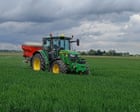
A tractor breakdown during critical spring planting operations has disrupted farming schedules in Lincolnshire, forcing a delay in sowing birdfood crops during a narrow window when weather conditions align with soil moisture requirements.
The breakdown occurred as farmer Colin Chappell prepared to complete seed-pressing operations in late April. Birdfood crops serve a specific agricultural function: providing supplemental nutrition for wild birds during winter months when natural food sources diminish. Successful establishment depends on precise timing. Seeds must go in after early May frosts pass, but before soil dries excessively. Late April's dry conditions compressed this already tight window further.
Chappell had just delivered the seed trailer to the field and was returning to collect the pressing equipment when the tractor overheated. The steaming bonnet indicated mechanical stress from intensive use. Agricultural machinery operates under demanding conditions during spring fieldwork, when farmers push equipment during favorable weather windows that may close quickly due to rainfall or temperature shifts.
Farming operations run on ecological calendars dictated by phenology and soil conditions, not mechanical convenience. Delays cascade. Postponing seed establishment by days can mean missing optimal soil moisture for germination or encountering unsuitable conditions later. Equipment breakdowns during compressed planting seasons create genuine operational stress, particularly for operations integrating wildlife habitat management into working farms.
Chappell's birdfood crop reflects a broader approach linking food production with ecological benefit. These plantings bridge gaps in wild bird nutrition across seasons when natural seeds and insects become scarce. The management requires coordinating mechanical operations with biological and meteorological realities. Equipment failure during these synchronization windows highlights the vulnerability of farming systems to mechanical disruption during time-sensitive operations.
The incident underscores why agricultural machinery maintenance matters beyond farm economics. Keeping equipment functional directly impacts a farm's ability to complete ecological management practices during narrow seasonal windows. For operations balancing