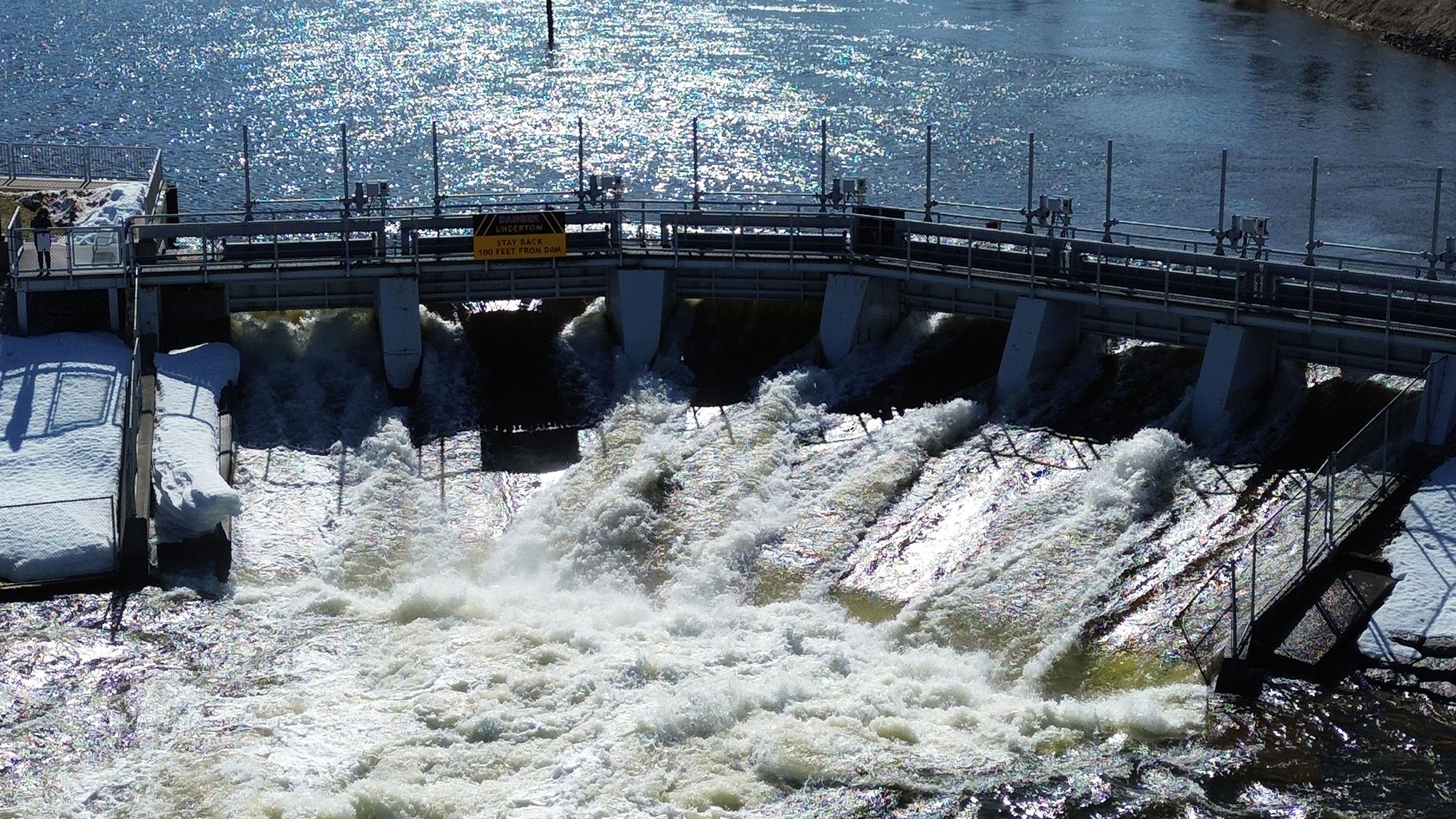
Michigan's near-catastrophic dam failures in 2020 exposed a fragile infrastructure unprepared for the climate crisis. When torrential rainfall combined with snowmelt, two dams in Midland County came within hours of structural collapse, forcing 10,000 residents to evacuate and causing an estimated $200 million in damages.
The Edenville Dam and Sanford Dam both showed signs of imminent failure during the May 2020 flood event. Engineers attributed the crisis to aging infrastructure designed for weather patterns that no longer apply. The Edenville Dam, built in 1924, had been flagged as high-risk for years before the failure. Its spillway capacity assumed precipitation rates based on historical data that climate change has already rendered obsolete.
The National Association of Dam Safety Professionals estimates that 15,000 dams across the United States face similar risks. Most were constructed in the mid-20th century using hydrological data from even earlier periods. As atmospheric warming intensifies precipitation in some regions, dams sized for older storm intensities now face regular exceedance events.
The Army Corps of Engineers and Federal Energy Regulatory Commission oversee dam operations, but funding for comprehensive infrastructure audits remains inadequate. Michigan's dams required inspection updates that languished unfunded for years before the 2020 event.
The Midland County crisis illustrates a broader American vulnerability. Federal infrastructure assessments show that countless water systems, including levees, flood control channels, and spillways, use outdated design standards. Engineers increasingly call for nationwide reevaluation of water infrastructure against current and projected precipitation patterns.
Rebuilding the two failed Michigan dams cost over $600 million. Proactive retrofitting of existing structures costs a fraction of post-failure reconstruction. Yet budget constraints continue to defer investments in climate-resilient redesigns.
The 2