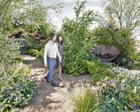
Designer Sarah Eberle is using the RHS Chelsea Flower Show to draw attention to England's overlooked edgelands, the transitional zones where urban areas meet countryside. Her garden, titled "On the Edge," deliberately abandons traditional horticultural aesthetics to represent these liminal spaces authentically.
The garden features stinging nettles, buttercups, fly-tipped waste, broken pottery, and a discarded garden gnome. These elements reflect the reality of edgelands across England, areas where human neglect and environmental pressure converge. Eberle, Chelsea's most decorated designer, uses the high-profile exhibition as a platform to argue that these marginal spaces deserve ecological protection and active management.
Edgelands occupy a paradoxical position in conservation planning. They exist outside formal protected areas like nature reserves and national parks, yet they support diverse plant and animal communities. These transitional landscapes provide habitat corridors for wildlife, particularly as intensified agriculture reduces biodiversity in surrounding rural areas and urban sprawl fragments natural spaces.
The garden's unconventional design challenges visitors' expectations about beauty and value in nature. By displaying what appears as derelict land within Chelsea's manicured context, Eberle creates cognitive dissonance that forces viewers to reconsider how society perceives and prioritizes different landscapes. The presence of common weeds and waste materials makes a deliberate statement: ecosystems thrive in spaces we typically dismiss as worthless.
Eberle's approach aligns with growing scientific recognition of edgelands' ecological function. Research demonstrates these areas host significant invertebrate populations, seed dispersal networks, and seasonal refuges for migratory species. Climate change compounds the urgency, as edgelands increasingly serve as migration corridors for species adjusting to shifting temperature zones.
The garden represents more than horticultural innovation. It signals a shift in conservation