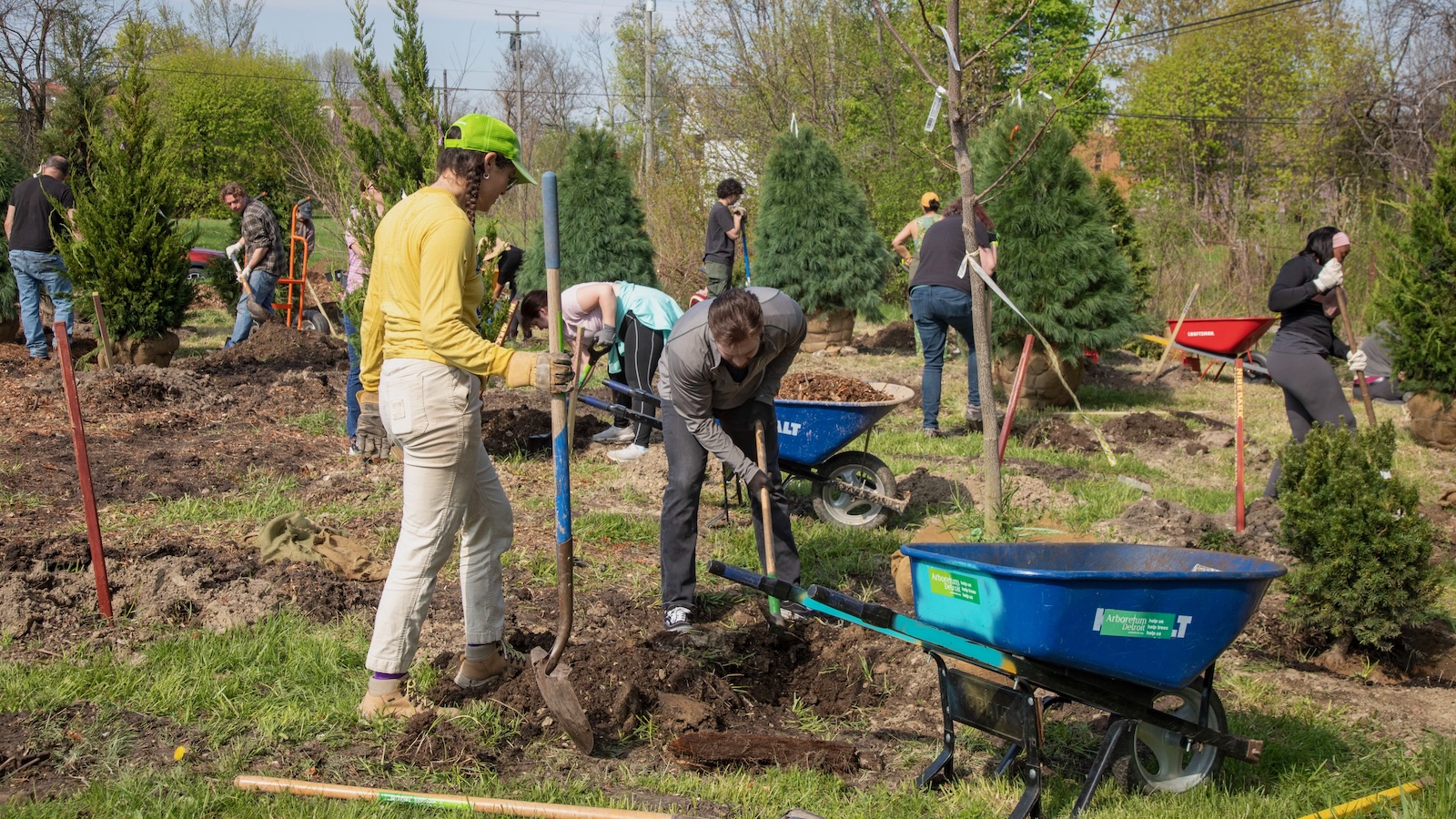
Cities face soaring temperatures as concrete and asphalt absorb and radiate heat, yet the solution remains straightforward: plant more trees. Research consistently demonstrates that urban tree canopy reduces surface temperatures by up to 20 degrees Celsius in localized areas and lowers ambient air temperatures by 2 to 8 degrees Celsius citywide.
Despite this evidence, most U.S. cities fall short on tree coverage. Los Angeles aims for 21 percent canopy coverage but currently sits at 12 percent. New York City has planted trees aggressively but needs to triple efforts to reach its 30 percent target. Phoenix, where summer temperatures regularly exceed 50 degrees Celsius, has less than 5 percent canopy coverage.
The barriers are bureaucratic and financial rather than scientific. Cities lack dedicated budgets for tree planting and maintenance. Utility companies resist trees near power lines. Parking requirements and narrow street designs leave no space for roots. Maintenance costs deter long-term commitment, particularly in lower-income neighborhoods that experience the most heat stress.
Urban forests deliver measurable health benefits. Trees reduce the urban heat island effect, lowering energy consumption for air conditioning by 20 to 35 percent. They filter air pollutants, absorbing nitrogen dioxide and particulate matter that cause respiratory illness. Each tree provides an estimated $273 in public health and environmental benefits annually.
Equity issues compound the problem. Predominantly Black and Latino neighborhoods typically have 40 percent less tree canopy than white areas, exacerbating heat exposure for vulnerable populations. During heat waves, these neighborhoods experience temperatures 4 to 7 degrees hotter than leafy suburbs.
Solutions exist at hand. Cities can establish dedicated tree-planting budgets, streamline permitting processes, and remove parking requirements that consume planting space. Utility cooperation on selective pruning instead of