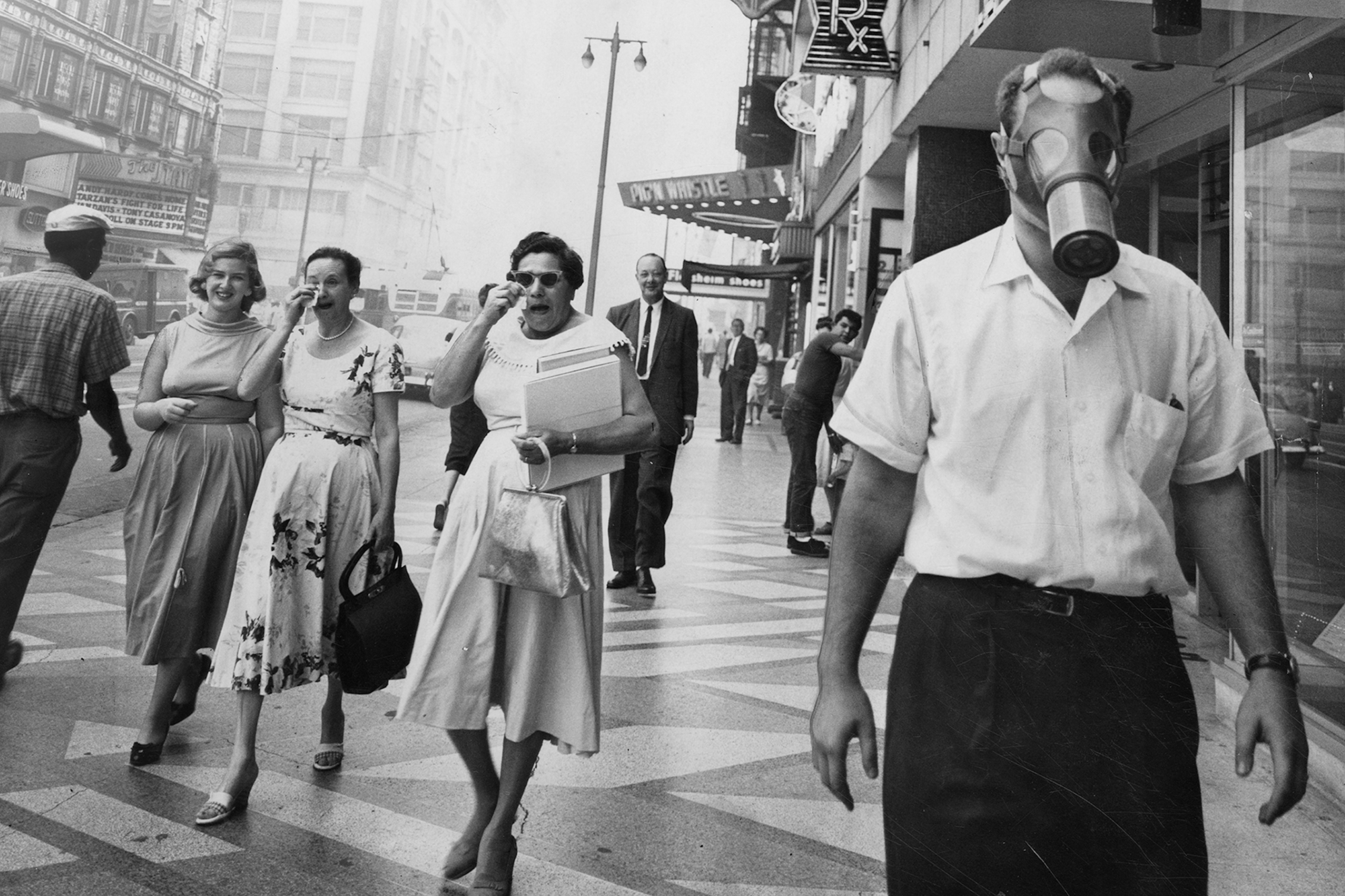
Los Angeles has transformed its air quality over five decades, though persistent pollution threatens remaining gains and exposes new environmental justice challenges.
Ann Carlson grew up in Southern California breathing smog so thick it obscured mountain ranges. That haze represented one of America's worst air pollution crises. Today, despite a tripling of the region's population and vehicle traffic, the South Coast Air Quality Management District reports that the number of unhealthy air days has dropped from over 200 annually in the 1970s to fewer than 100 in recent years.
This reversal stemmed from aggressive regulation. California's Clean Air Act amendments forced auto manufacturers to cut tailpipe emissions dramatically. The state implemented stricter fuel standards and later mandated zero-emission vehicle production. Port operations shifted to cleaner equipment. Industrial facilities installed pollution control technology.
Yet the victory remains incomplete. The American Lung Association still ranks the Los Angeles basin among the nation's most polluted regions for ozone and particle pollution. Low-income communities and communities of color continue breathing dirtier air than wealthier neighborhoods. Communities near ports, freeways, and refineries experience disproportionate exposure to nitrogen dioxide and diesel particulates.
The 2024 wildfires that blanketed Los Angeles in smoke this year underscore how climate change now compounds traditional air pollution. Longer fire seasons push smoke across the state, undoing progress from decades of emissions controls.
Carlson, now a climate and environmental law expert, observes that the path forward requires addressing transportation emissions more aggressively. Electric vehicle adoption remains concentrated among affluent buyers. Public transit infrastructure lags in lower-income areas where residents depend on older, dirtier vehicles.
South Coast AQMD has proposed stricter standards for heavy-duty trucks and port equipment. Refineries face increased pressure to reduce greenhouse gas emissions alongside air pollutants. But