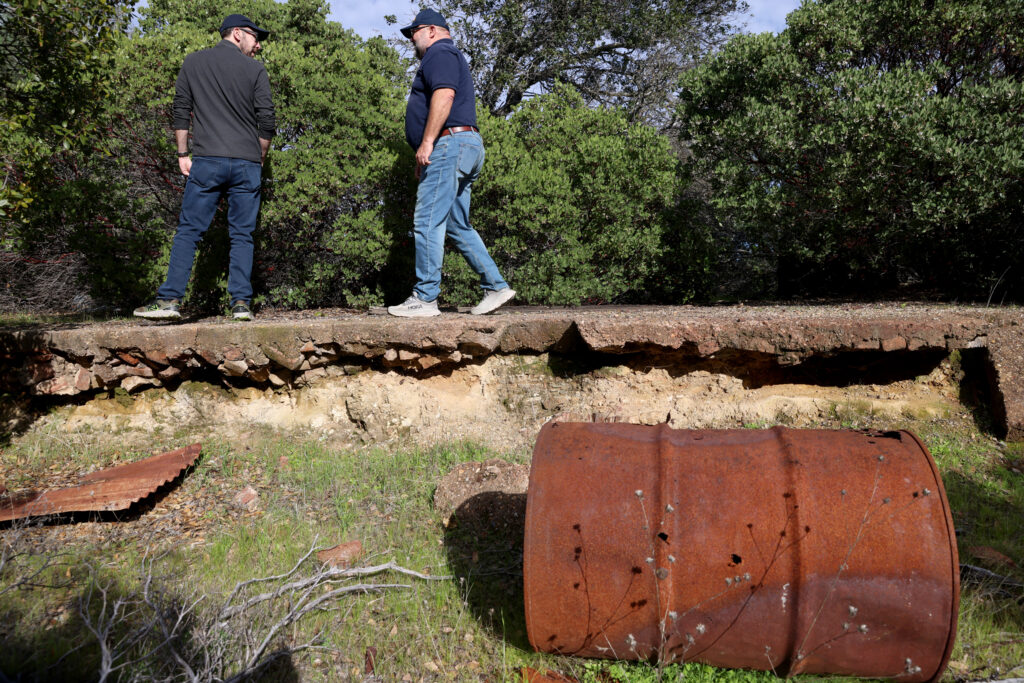
New Jersey hosts 113 Superfund sites, nearly 9 percent of the nation's total inventory of contaminated locations. These sites span chemical manufacturing plants, oil lagoons, septic waste fields, and chemically polluted rivers. Many have persisted in contaminated states for decades.
The EPA faces mounting pressure to accelerate cleanups while confronting budget constraints and workforce reductions. The agency manages the federal Superfund program, which finances remediation of the worst contaminated sites under the Comprehensive Environmental Response, Compensation, and Liability Act of 1980. Funding cuts and staff attrition now threaten the pace of cleanup operations across the nation.
New Jersey's concentration of Superfund sites reflects the state's dense industrial history. The state's proximity to waterways and urban centers means contamination often threatens drinking water supplies and residential areas. Sites contain legacy pollution from decades of manufacturing, petroleum processing, and waste disposal before modern environmental regulations took effect.
The EPA's Superfund program operates through a combination of federal appropriations and settlements from responsible parties. When companies cannot pay for remediation, taxpayers fund cleanups. The average Superfund site cleanup takes 10 to 30 years from discovery to completion, according to EPA data. Reduced staffing hampers the agency's ability to conduct site assessments, negotiate settlements, and oversee contractor work.
State environmental officials warn that slower federal action delays protection of public health. Contaminated groundwater travels beyond site boundaries. Children in nearby communities face elevated cancer risks from exposure to hazardous substances like polychlorinated biphenyls, benzene, and heavy metals.
Trump administration policies targeting federal agencies compound the challenge. The EPA has faced hiring freezes and proposed budget reductions. New Jersey environmental advocates argue the state cannot absorb cleanup responsibilities without federal resources. They call for sustained Superfund investment to address the nation's