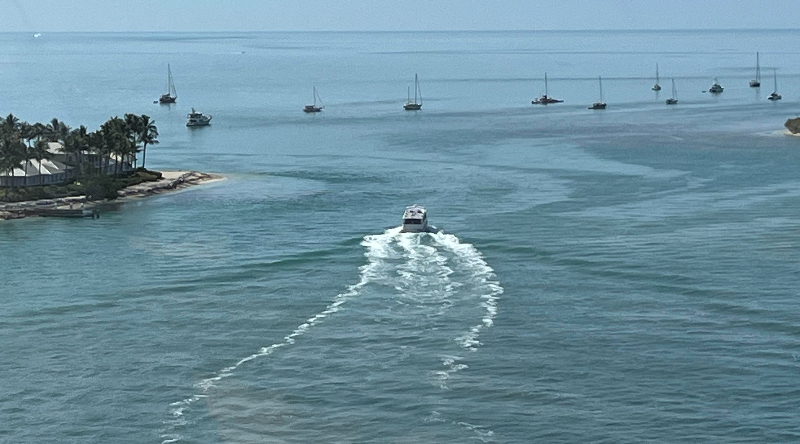
Key West has adopted a sustainability plan that challenges federal energy policy, prioritizing local renewable development over traditional grid infrastructure. The plan positions the island community, located 90 miles from Cuba at the southernmost tip of Florida, to pursue energy independence through distributed solar and storage systems rather than relying on mainland fossil fuel imports.
The strategy reflects growing tension between municipalities pursuing aggressive climate goals and the federal government's slower transition timeline. Key West faces particular urgency. The island sits at sea level in one of the nation's most climate-vulnerable regions, with rising tides already causing chronic flooding in downtown areas. Annual saltwater intrusion threatens freshwater supplies and infrastructure integrity.
The sustainability plan emphasizes renewable generation capacity tailored to local geography and grid constraints. Solar deployment on rooftops and public facilities, coupled with battery storage systems, reduces dependence on submarine cables delivering electricity from the mainland. This approach builds resilience against supply disruptions while cutting fossil fuel consumption.
Federal pushback likely stems from competing priorities. The Energy Department and related agencies prefer centralized grid management and large-scale infrastructure projects coordinated across state lines. Local renewable initiatives, while cutting emissions, complicate federal planning models and may conflict with existing power purchase agreements.
Key West's location presents both obstacle and opportunity. Geographic isolation limits grid connection options, making local renewable development economically viable. Simultaneously, the island serves as a natural laboratory for distributed energy systems applicable to other coastal communities facing climate threats.
The plan's success depends on securing financing, navigating permitting processes, and maintaining local political support through implementation phases. If successful, Key West could demonstrate that municipal sustainability planning driven by climate necessity, rather than federal mandates, delivers faster emissions reductions and greater community resilience than top-down approaches.
THE BOTTOM LINE: Key West's renewable-focused sustainability plan prioritizes climate adaptation and local energy independence over federal grid integration, setting up a policy conflict that reflects broader tensions