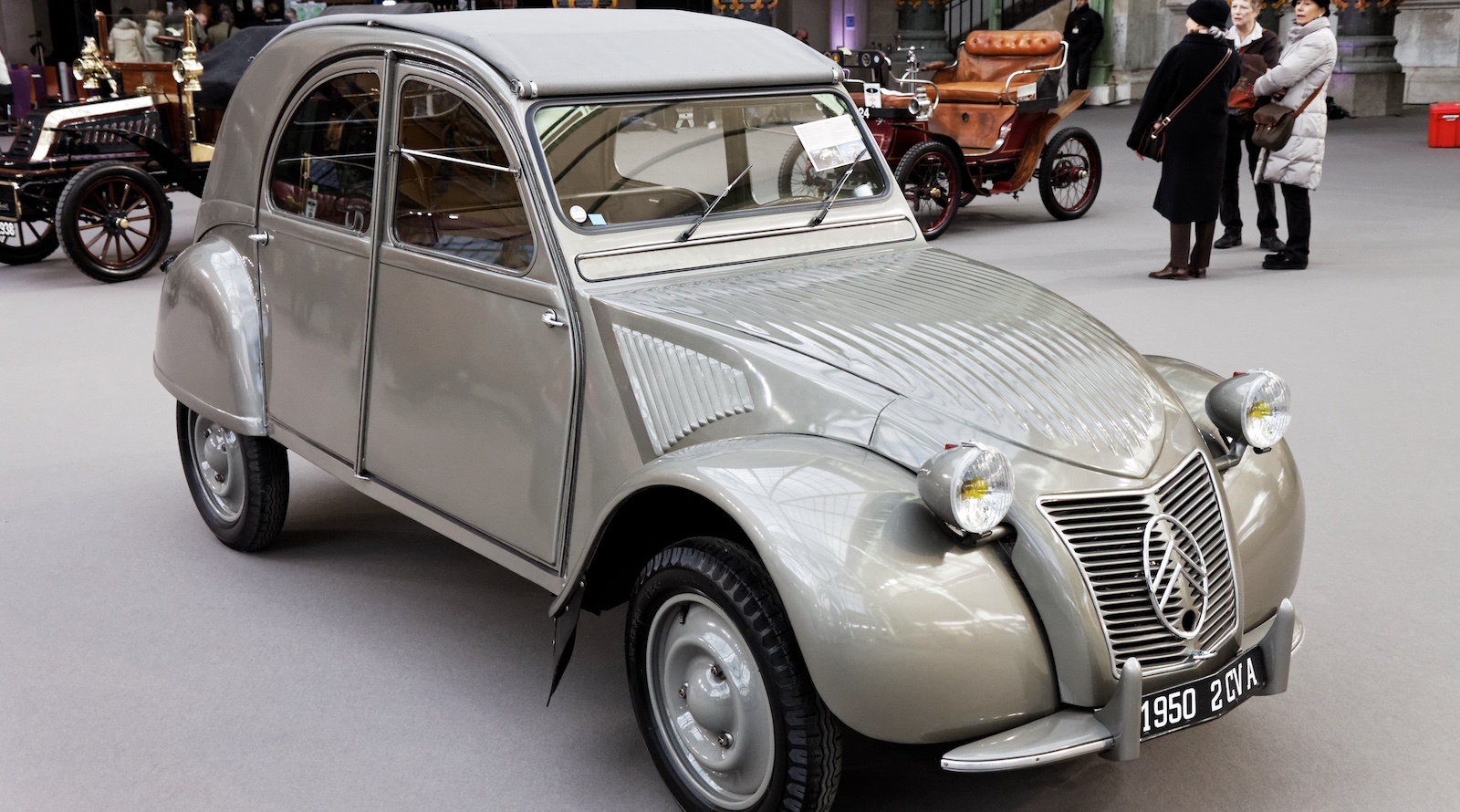
Citroën plans to launch an electric version of its iconic 2CV model, pricing it below £15,000 (approximately $19,000). The move targets affordability in the EV market, where most offerings cluster in higher price segments.
The 2CV holds legendary status in automotive history. Launched in 1948, the original model became synonymous with accessible transportation across Europe. Its electric reimagining attempts to resurrect that philosophy for the battery era, competing directly with budget EVs like the Dacia Spring and BYD Seagull that dominate emerging markets.
The price point matters. Sub-£15,000 electric vehicles remain rare in developed markets. Most affordable EVs sold in Europe start around £20,000, leaving a gap for cost-conscious buyers. Citroën's strategy addresses this gap by leveraging brand heritage rather than competing on innovation alone.
Details on specifications remain limited in available materials. Battery capacity, range, charging speed, and power output have not been disclosed. These specifications determine whether the vehicle serves genuine transportation needs or functions primarily as a marketing exercise.
Market timing proves critical. European EV adoption accelerates as charging infrastructure expands and battery costs decline. A sub-£15,000 electric 2CV arrives when entry-level buyers begin considering battery-powered options for city driving and commutes under 100 miles daily.
The vehicle joins a growing category of neo-retro EVs. Volkswagen's ID.Buzz and Mini's electric offerings blur nostalgia with modern battery technology. Citroën's approach differs by targeting lower income brackets than those brands typically serve.
Production location and supply chain details remain unclear. Manufacturing costs in this price range demand either simplified engineering or production in lower-cost regions. Citroën's parent company Stellantis operates factories across Europe, Eastern Europe, and beyond.