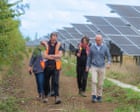
Ray Valley Solar, a community-owned solar farm in Oxfordshire, is crowdfunding the UK's first community-owned battery storage system. The 36,000-panel facility already supplies clean energy to 7,000 homes across the region.
The battery project addresses a fundamental challenge in renewable energy. Solar panels generate power during daylight hours, but demand peaks in evenings when the sun sets. Battery storage captures excess daytime generation and releases it when households need electricity most, improving grid stability and maximizing the value of renewable energy infrastructure.
Ray Valley Solar operates as a cooperative owned by local residents and businesses. This structure lets investors share both financial returns and decision-making power over the facility's operations. The crowdfunding campaign allows additional community members to buy shares in the battery system, extending ownership beyond the original solar park investors.
Community-owned renewable energy projects generate two distinct benefits. First, they keep profits local rather than funneling them to multinational energy corporations. Second, they embed energy infrastructure decisions within the communities that depend on the resulting electricity. Local cooperatives respond to neighborhood needs and priorities in ways distant corporate operators cannot.
The battery storage addition represents an evolution in community energy strategy. Early projects focused solely on generation. But pairing solar panels with battery systems creates a more sophisticated energy asset. Storage allows the facility to arbitrage price differences, selling power back to the grid during peak-price hours. These revenues strengthen the cooperative's financial position and boost returns for investors.
Ray Valley Solar's expansion also reflects growing recognition that renewable energy infrastructure requires community buy-in to succeed. When local people own shares and benefit directly from clean energy, they become stakeholders in decarbonization. This transforms renewable energy from an abstract policy goal into a tangible neighborhood asset.
The project demonstrates that large-scale renewable infrastructure need not concentrate wealth among utilities and energy multinationals. Cooperative ownership models scale across Britain's countryside,