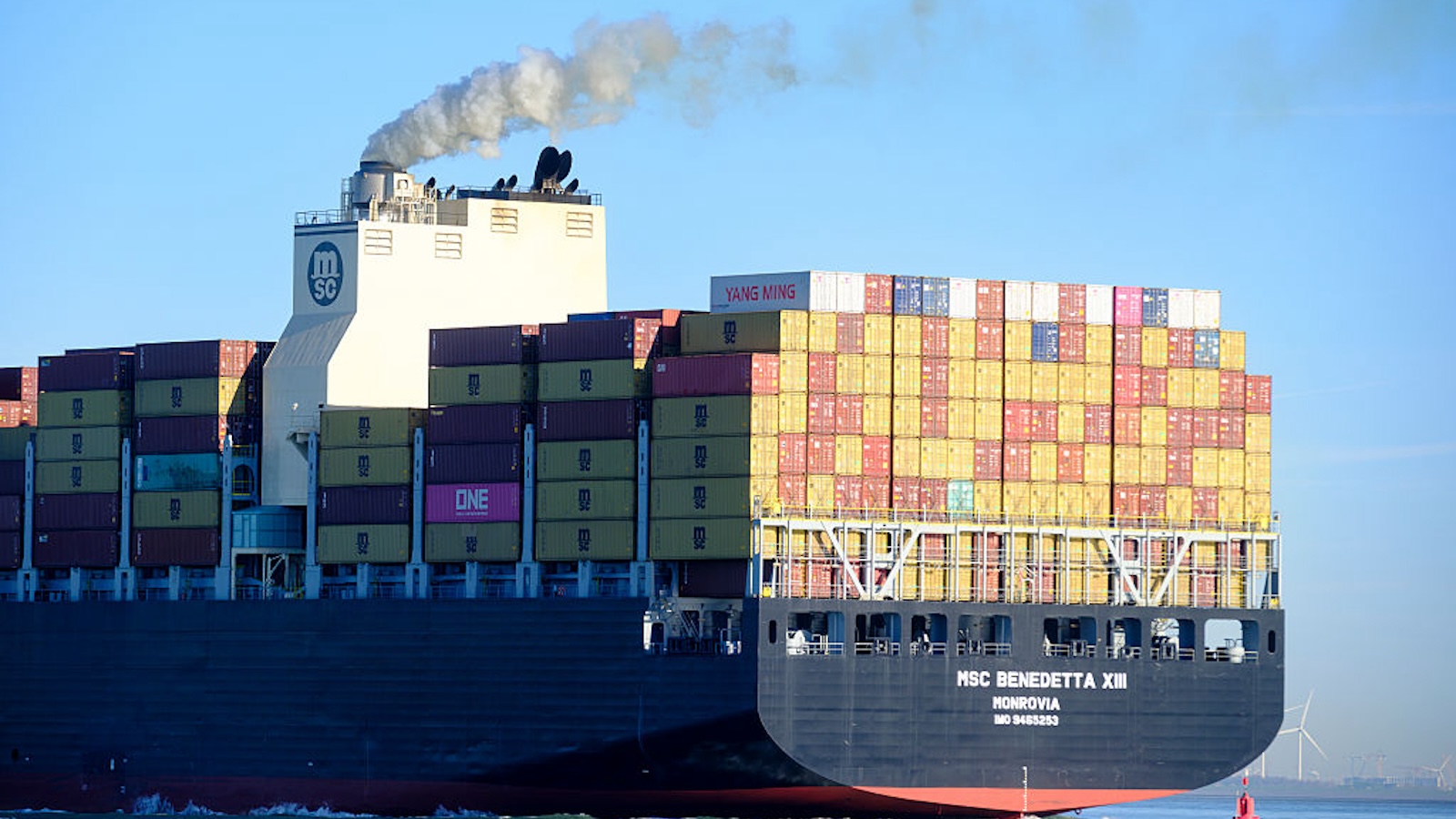
The Trump administration has threatened countries supporting a United Nations carbon tax on international shipping with visa restrictions, tariffs, and port fees. The effort aims to block a measure gaining traction among a slim majority of U.N. nations.
The International Maritime Organization (IMO) approved a levy on ship emissions in 2023, marking the first global carbon pricing system covering shipping, which accounts for roughly 3 percent of global greenhouse gas emissions. The tax targets fuels burned by vessels crossing international waters, covering approximately 80 percent of the sector's emissions.
U.S. opposition stems partly from the concern that American shipping companies face higher costs than competitors in nations backing the measure. The administration contends the tax disadvantages domestic ports and exporters. However, the levy's supporters include the European Union, small island nations vulnerable to rising seas, and environmental advocates who argue pricing carbon accelerates decarbonization across the industry.
The IMO's decision reflects growing recognition that shipping faces insufficient regulatory pressure to cut emissions. Under current frameworks, the sector operates largely outside major climate agreements. The carbon tax creates financial incentives for shipowners to invest in low-carbon technologies like wind-assist systems, alternative fuels, and efficiency upgrades.
Implementation begins in 2025, with revenue funding climate adaptation in developing nations. The IMO estimates the tax will raise billions annually while reducing shipping emissions by 5 to 14 percent by 2050 compared to business-as-usual scenarios.
U.S. threats targeting supportive nations face diplomatic limits. Small island states and many developing countries view the shipping tax as essential to survival, making their backing resilient against pressure. EU nations have signaled commitment despite American economic leverage. The administration's tariff and visa restrictions remain blunt instruments against a coalition motivated by climate survival.
Shipping decarbonization has become a proxy for broader U.S. withdrawal from international climate cooperation