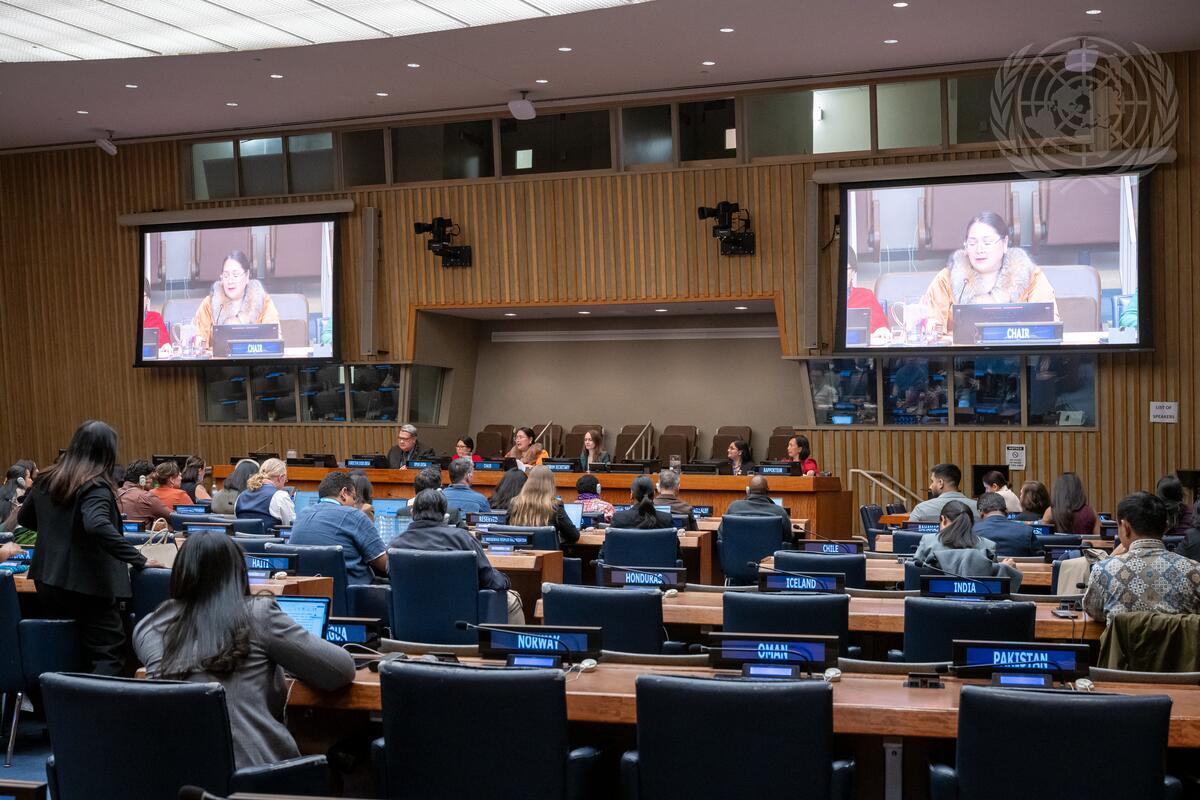
# The uncertain future of the UN's leading voice on Indigenous rights
The UN Permanent Forum on Indigenous Issues confronts an existential threat as the organization wrestles with a mounting budget crisis. The forum, established in 2000 as the primary UN body advocating for Indigenous peoples' rights and representation, risks losing resources and influence during a period when Indigenous communities face escalating environmental pressures.
The budget shortfall stems from a combination of factors. The UN operates on assessed and voluntary contributions, and several major donor nations have withheld or reduced funding in recent years. This financial squeeze directly threatens the forum's capacity to convene annual sessions, conduct research, and amplify Indigenous voices in global policy discussions.
The timing creates particular vulnerability. Indigenous lands encompass some of the world's most biodiverse regions. Research from Conservation International shows that Indigenous territories harbor 80 percent of Earth's remaining biodiversity despite covering only 22 percent of global land area. Meanwhile, Indigenous communities face disproportionate exposure to extractive industries, climate impacts, and land dispossession.
The forum's effectiveness has already drawn scrutiny. Critics argue it lacks enforcement mechanisms and real decision-making power within the broader UN system. Recommendations issued by the forum often face implementation delays or outright resistance from member states. Environmental observers note that while the forum produces detailed reports on Indigenous land rights, mining conflicts, and climate adaptation strategies, these findings rarely translate into binding international commitments.
Indigenous delegates and civil society organizations warn that weakening the forum would undermine one of the few UN spaces where Indigenous representatives hold meaningful voice. The forum conducted investigations into rights violations in the Amazon, the Philippines, and Southeast Asia. It also maintains the UN database on Indigenous issues that governments, researchers, and activists rely on.
Some nations have pushed to consolidate the forum with other UN bodies to reduce overhead costs. Such consolidation would likely dilute Indigenous representation and subordinate