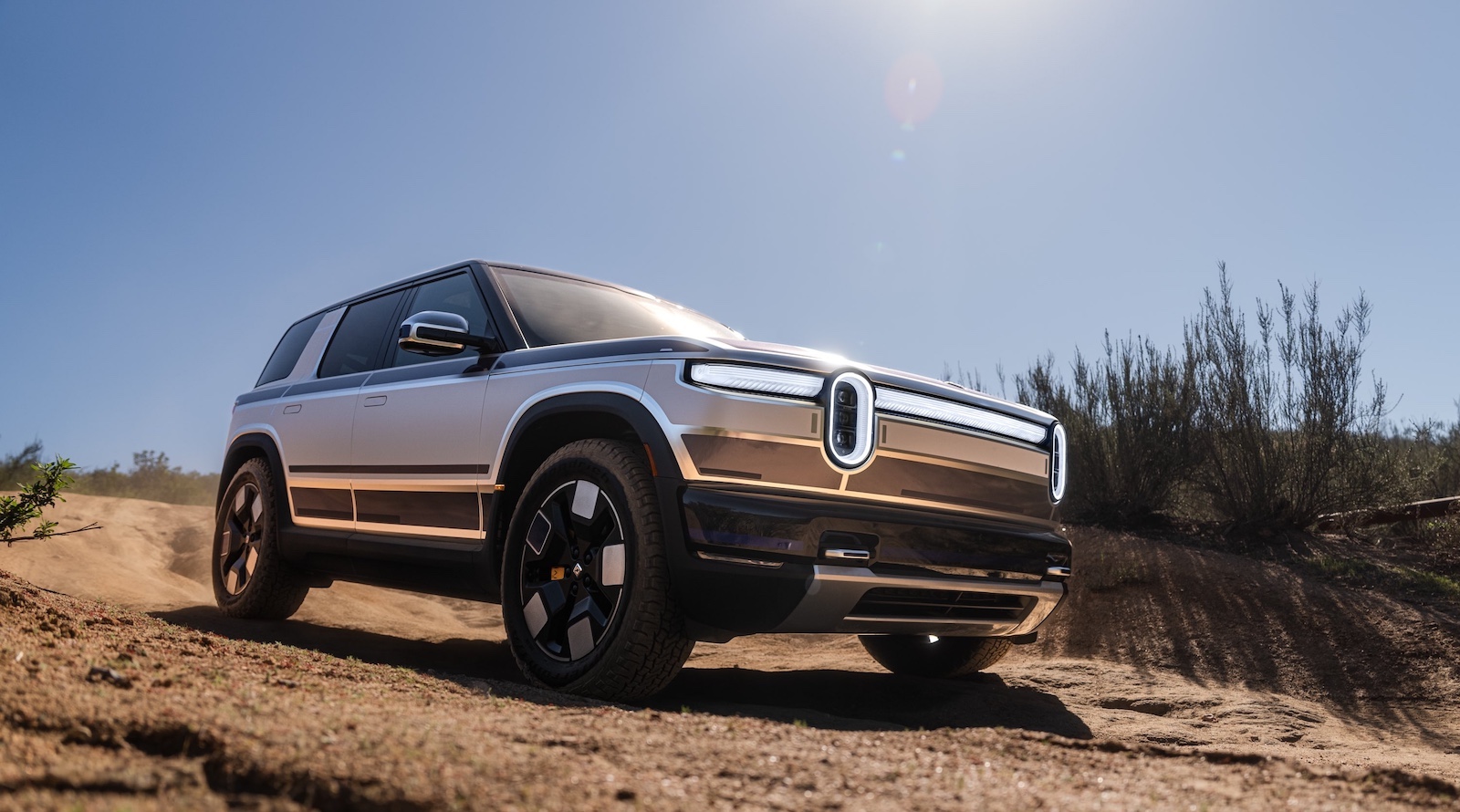
Rivian has begun production of the R2, its new mass-market electric vehicle positioned below the R1S and R1T in price and size. The company is developing in-house lidar technology for the vehicle and exploring multiple variants to broaden market appeal.
The R2 represents a strategic shift toward volume manufacturing for Rivian. By targeting a wider consumer base with a more affordable price point, the automaker aims to accelerate EV adoption in the compact SUV segment. In-house lidar development gives Rivian control over autonomous driving capabilities and reduces reliance on external suppliers for sensor technology, a move other manufacturers including Tesla have pursued.
Multiple variants indicate Rivian intends to capture different market segments within the R2 lineup. Different battery configurations, drivetrain options, and feature sets allow the company to serve buyers with varying budgets and performance needs. This strategy mirrors approaches used by established automakers to maximize production volumes across a single platform.
The R2 launch carries both opportunity and execution risks. Success depends on manufacturing efficiency at scale, supply chain stability, and maintaining quality standards while rapidly ramping production. Rivian must compete against established EV makers and new entrants offering compact electric vehicles at competitive prices.
Developing proprietary lidar positions Rivian for future autonomous capabilities, but integrating this technology into mass-production vehicles requires solving complex engineering and cost challenges. The company's ability to deliver these features reliably while keeping prices attractive will determine whether the R2 succeeds as a volume player in the EV market.
Production capacity and delivery timelines remain critical factors. Rivian's manufacturing footprint in Georgia and plans for additional facilities will determine how quickly the company can scale R2 output to meet demand.
THE TAKEAWAY: Rivian's R2 production launch and in-house lidar development signal aggressive movement toward mainstream EV manufacturing, but