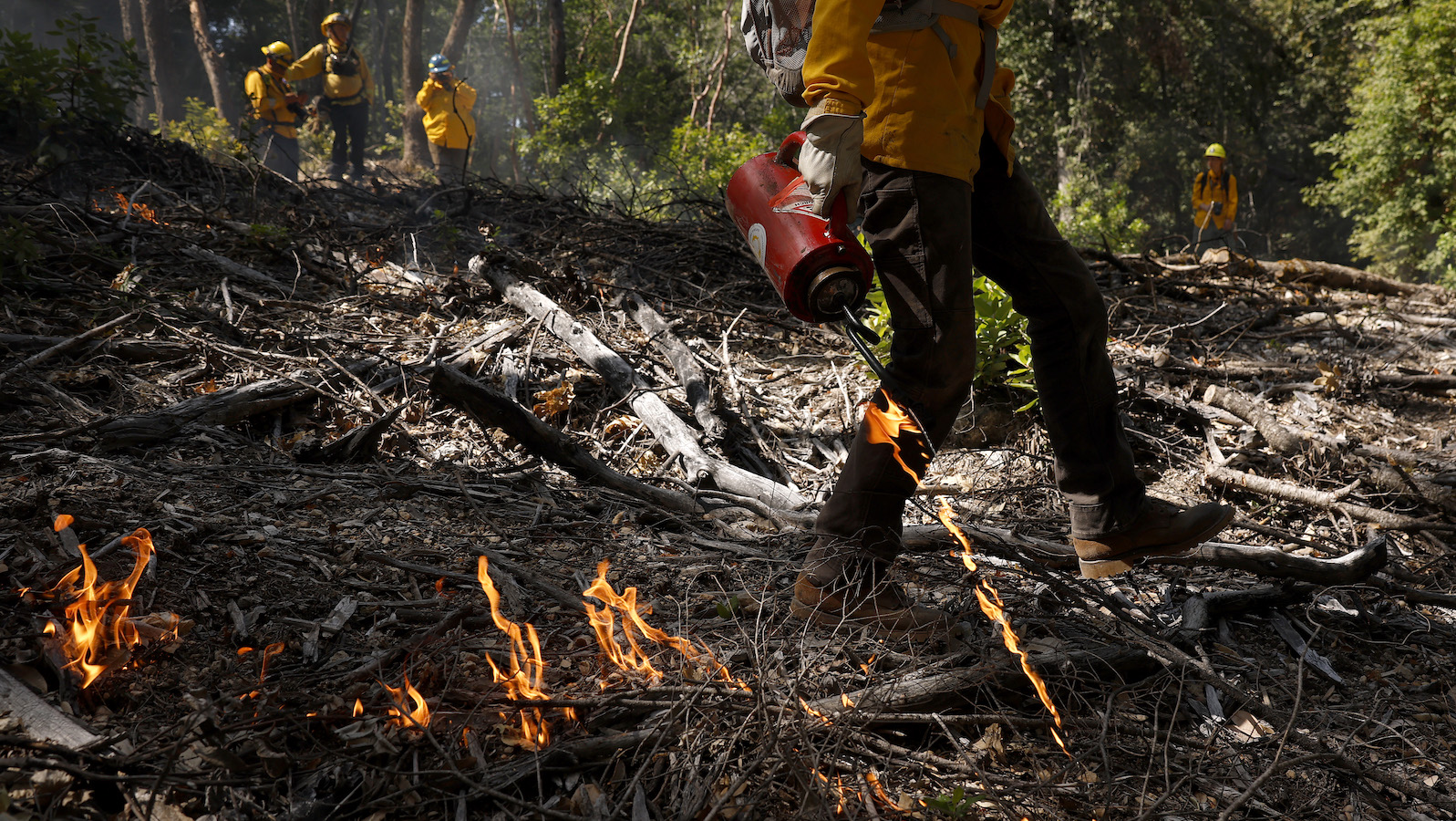
The U.S. Forest Service's investment in controlled burns delivers a 4-to-1 return on taxpayer money, new research confirms. For every dollar spent on fuel reduction work, the agency prevented nearly $4 in wildfire damages.
The analysis examined Forest Service expenditures on prescribed burns and mechanical thinning across western forests. These preventive measures reduce the density of vegetation that feeds catastrophic wildfires. As climate change extends fire seasons and intensifies drought conditions, the economic case for prevention grows sharper.
Wildfire suppression costs have ballooned. The Forest Service now spends roughly half its annual budget fighting active fires rather than preventing them. In 2023, federal firefighting expenses exceeded $3 billion. Uncontrolled wildfires destroy homes, degrade air quality across regions, and disrupt watersheds that supply water to millions.
The research quantifies what land managers have argued for years: upfront investment in forest management prevents far costlier disasters. Prescribed burns deliberately ignite small, controlled fires during favorable weather conditions, removing accumulated dead wood and dense undergrowth. This reduces the fuel available when wildfires inevitably ignite.
Western states have increased prescribed burn acreage in recent years. Oregon, California, and Washington have all expanded programs. However, implementation remains constrained by funding limits, air quality regulations, and seasonal windows when burns are safe to conduct.
The Biden administration proposed tripling funding for hazardous fuels reduction in its 2024 budget request, recognizing that prevention saves money long-term. Congress authorized expanded prescribed burning authority in recent legislation. Still, funding gaps persist, and many forests remain overgrown with fuel loads that haven't burned in decades.
Climate scientists warn that without aggressive forest management, western communities face escalating wildfire risk. The research strengthens the economic argument for allocating more resources to prevention