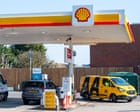
Shell reported first-quarter profits of $6.9 billion, a 115 percent jump from $3.2 billion in the final quarter of 2025. The energy company's earnings surge directly correlates with soaring crude prices triggered by conflict in Iran, which disrupted global supply chains and pushed oil costs higher across markets.
The windfall profits drew immediate criticism from climate campaigners, who argue that Shell profits from geopolitical instability while simultaneously facing pressure to transition away from fossil fuels. Europe's largest oil and gas company benefits from the very market dynamics that climate advocates say accelerate planetary warming.
Energy prices reached elevated levels as Iranian production faced constraints during regional tensions. Shell's oil trading operations capitalized on the volatility, with higher crude valuations flowing directly to the bottom line. This pattern reveals how fossil fuel companies gain financially from supply disruptions that ripple through global economies.
The $6.9 billion quarterly result positions Shell among the world's most profitable energy firms. Yet the company operates under increasing scrutiny from shareholders, regulators, and activist groups demanding faster fossil fuel phase-out timelines. Many investors have begun questioning whether the oil majors' long-term business models remain viable given climate policy tightening across Europe and North America.
Shell's quarterly earnings underscore a central tension in energy markets. As demand for oil and gas persists, geopolitical shocks create temporary price spikes that reward existing fossil fuel infrastructure. This dynamic creates financial incentive structures that can delay decarbonization investments, even as climate science demands rapid emission reductions.
The company faces mounting pressure to allocate capital toward renewable energy expansion. However, quarterly results this strong reduce urgency around that transition, potentially allowing Shell to continue extracting maximum value from hydrocarbon reserves while climate windows narrow.
THE BOTTOM LINE: Shell's historic quarterly profit from Iran conflict-driven oil price spikes illust