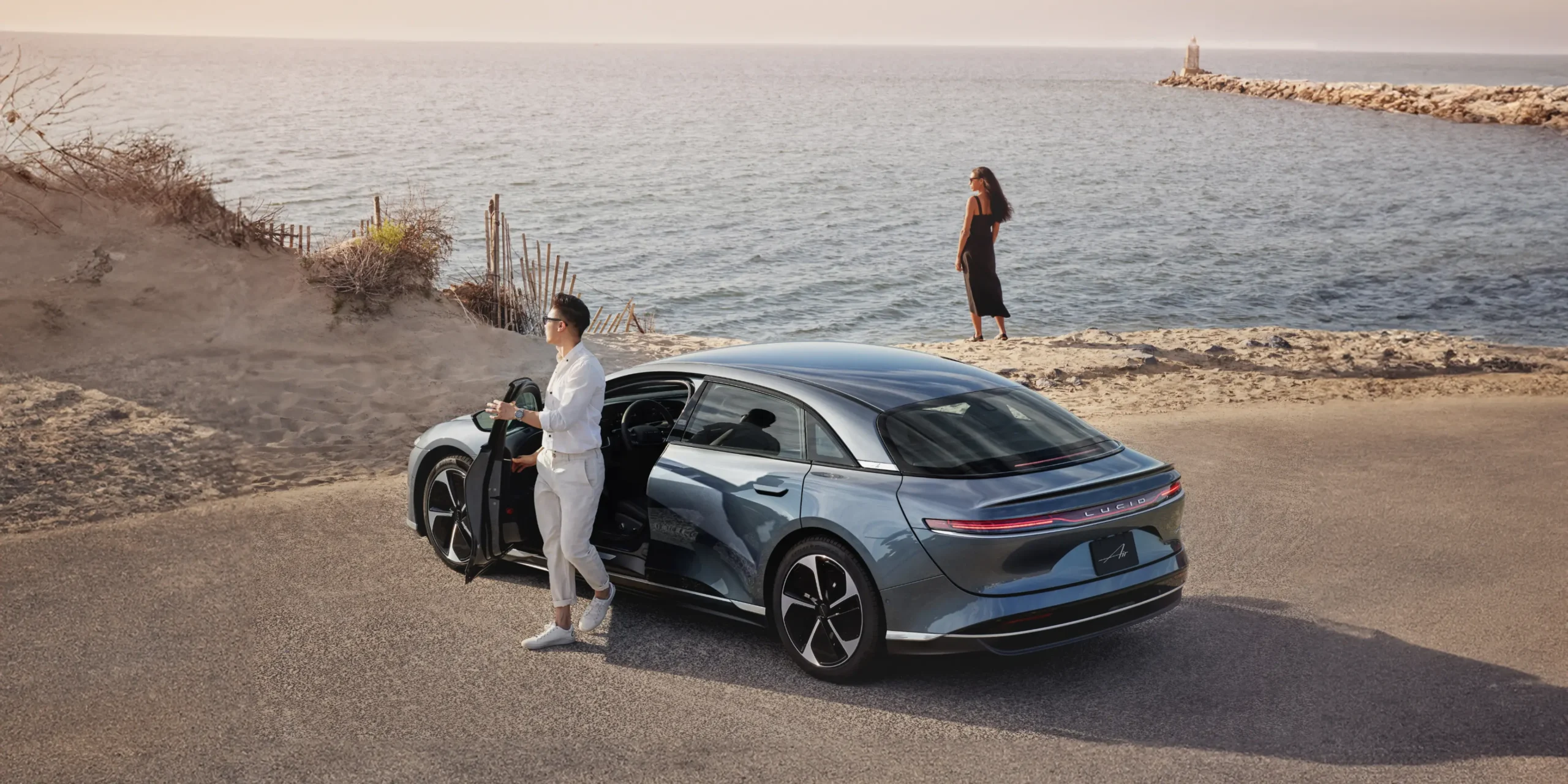
Saudi Arabia has installed 100 free electric vehicle chargers, marking a shift in the nation's approach to transportation electrification. The deployment represents the kingdom's effort to remove charging infrastructure barriers and encourage EV adoption among consumers.
The initiative follows similar promotional tactics used in the U.S. fuel market, where limited-time incentives drive consumer interest. By offering free charging access, Saudi Arabia aims to familiarize drivers with EV technology and build confidence in electric vehicles as a practical transportation option.
This move carries strategic importance for a country historically dependent on oil exports. Saudi Vision 2030, the kingdom's economic diversification plan, explicitly targets renewable energy development and reduced domestic oil consumption. The EV charger rollout aligns with that agenda by supporting a transition away from gasoline vehicles.
The scale of 100 chargers remains modest relative to the kingdom's total vehicle fleet, but infrastructure deployment typically begins with pilot programs. The placement and accessibility of these chargers will determine whether they effectively catalyze broader EV market growth in Saudi Arabia.
Context matters here. Saudi Arabia consumed approximately 650,000 barrels of oil daily for domestic transportation in 2024, according to energy ministry data. Electrification of vehicles reduces that consumption and frees crude for export. The kingdom currently generates negligible renewable electricity from sources other than solar, though it has committed to producing 50 percent of its electricity from renewables by 2030.
Free charging addresses a documented barrier to EV adoption in developing markets. Studies from the International Energy Agency show that upfront costs and charging access remain primary obstacles preventing EV purchase decisions in the Middle East.
The initiative also signals Saudi Arabia's awareness of global automotive trends. Major automakers have committed to phasing out internal combustion engine sales. By building charging networks now, the kingdom positions itself to support continued vehicle sales as the global fleet electrifies.
Whether