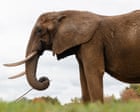
Europe's first large-scale elephant sanctuary opens in Portugal's Alentejo region, receiving its first residents from captive populations across the continent. Julie, Portugal's last circus elephant, and Kariba, from a Belgian zoo, will relocate to the facility operated by animal charity Pangea on a former ranch 200 kilometers east of Lisbon.
The sanctuary addresses a persistent welfare problem. Approximately 600 elephants remain in captivity across Europe, housed in zoos and circuses where confined conditions prevent natural behavior. Elephants require expansive ranges, complex social structures, and terrain that stimulates their cognitive abilities. Captive settings typically cannot provide these essentials, resulting in chronic stress and physical deterioration.
The Alentejo sanctuary represents a shift in how European institutions manage surplus elephants. Rather than transferring animals between zoos, the facility offers semi-naturalistic conditions across sprawling acreage where elephants can roam, forage, and engage in species-typical behaviors. The multimillion-pound investment reflects growing recognition that sanctuaries provide superior welfare outcomes compared to traditional captive settings.
Julie's transfer marks a symbolic milestone. As Portugal's last circus elephant, her relocation demonstrates declining acceptance of elephants in entertainment across Europe. Several European nations have banned wild animal circuses entirely, driven by evidence of psychological and physical harm. Belgium, where Kariba originated, exemplifies this trend through increased scrutiny of zoo populations and rehoming initiatives.
The sanctuary's opening addresses long-standing advocacy by animal welfare organizations. These groups documented inadequate space, poor social groupings, and stereotypic behaviors in European zoos and circuses. Pangea's facility allows individual elephants to establish natural family groups and move across terrain resembling their native habitats more closely than concrete enclosures permit.
Future arrivals will likely include additional captive elephants from across Europe