AI data centres face a critical energy storage bottleneck that extends beyond power generation capacity. The obstacle centres on battery technology itself. Current lithium-ion batteries, the industry standard, cannot adequately serve the unique power demands of AI infrastructure at the scale required for continued expansion.
AI data centres operate with distinct electrical profiles compared to traditional facilities. They require sustained, high-capacity power delivery with rapid response capabilities to manage computational surges. Lithium-ion systems, while effective for many applications, struggle to match these specifications economically and operationally.
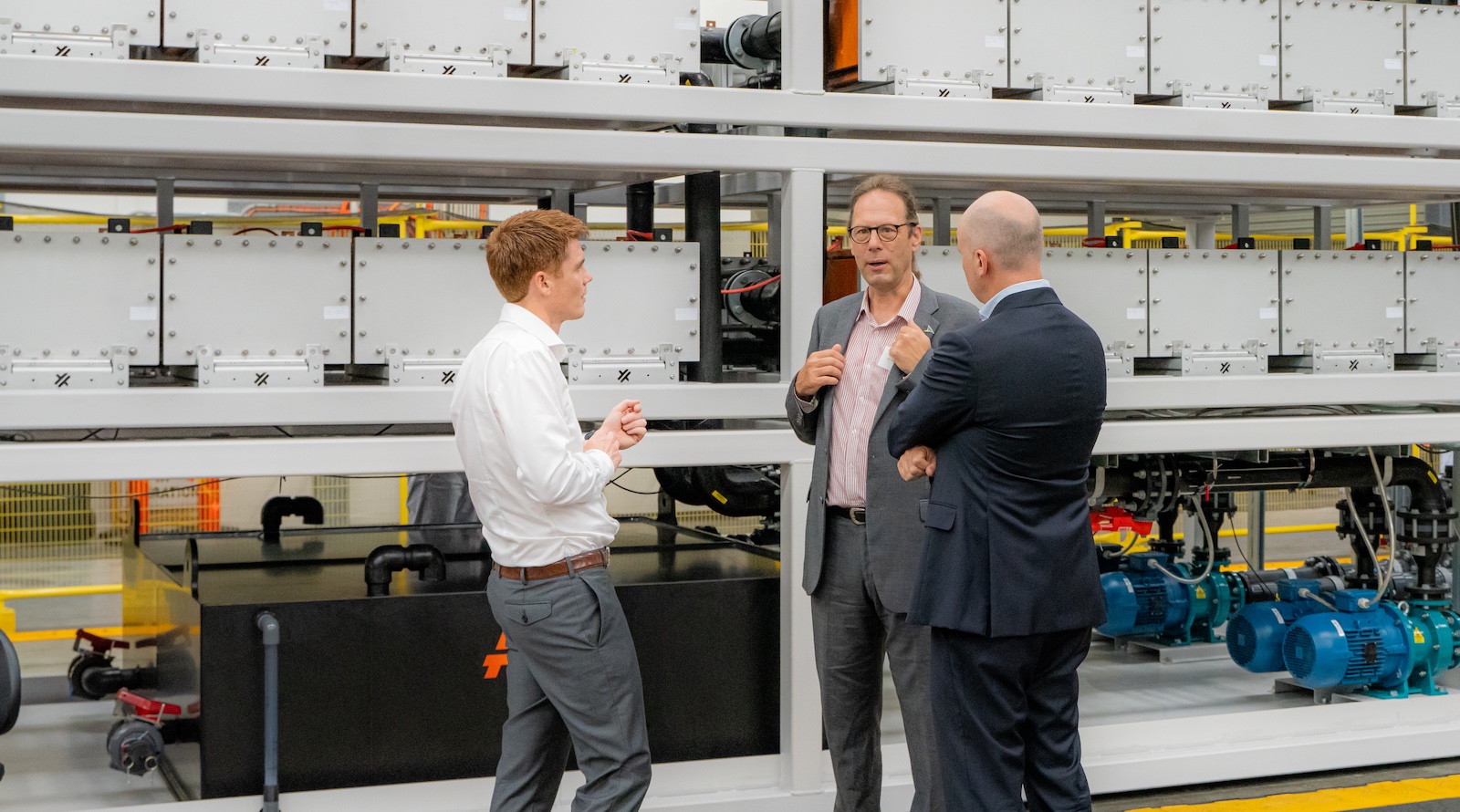
Dr. Thomas Nann, CEO and co-founder of Allegro, identifies storage as the genuine constraint limiting AI data centre deployment. Grid operators and facility planners have assumed generation capacity sets the ceiling. Instead, the inability to store and dispatch power efficiently at required volumes creates the actual bottleneck.
The mismatch between storage technology and operational need creates cascading problems. Data centres cannot fully utilize available renewable energy generation without adequate battery backup. They cannot smooth demand spikes without expensive oversizing of battery systems. They cannot operate reliably during grid stress without storage solutions specifically engineered for their power profiles.
Lithium-ion batteries present several limitations for this application. Their energy density, while adequate for vehicles and stationary storage at modest scales, becomes economically prohibitive when multiplied across hundreds of megawatts. Their response time, measured in seconds, falls short of the millisecond precision required for computational workload management. Their cycle life degrades under the intensive duty cycles that AI workloads impose.
Alternative battery chemistries and storage technologies must emerge to unlock AI data centre expansion. Long-duration storage systems, flow batteries, and advanced thermal storage solutions offer potential pathways. However, none currently operates at the cost and performance levels required for deployment at commercial scale.
This storage gap represents a hard physical constraint on artificial intelligence infrastructure growth. Without solving it