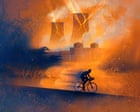
In December 1982, South African fencer Rodney Wilkinson walked into Koeberg nuclear power station, the apartheid regime's flagship facility, carrying four bombs. He detonated them and vanished on his bicycle. The attack caused no casualties but damaged the reactor's cooling systems, forcing a shutdown that lasted months and cost the state resources desperately needed for weapons development.
Wilkinson was 21, a nationally ranked fencer whose Olympic dreams had been crushed by South Africa's international sports ban under apartheid. He had become radicalized against the regime, influenced by his English fencing coach Vincent Bonfil, and joined the underground anti-apartheid movement.
The bombing represented one of the most audacious acts of sabotage during the apartheid era. Wilkinson gained access to the heavily guarded nuclear facility through planning and reconnaissance. He placed explosives at critical infrastructure points, then escaped before detonation.
Security forces launched an intensive manhunt across South Africa and neighboring countries. For decades, Wilkinson's fate remained unknown. He appeared to have fled the country, possibly to Mozambique or further abroad. The apartheid government, embarrassed by the breach of its most sensitive installation, offered little public information about the investigation.
The attack exposed vulnerabilities in South Africa's nuclear security during a period when the regime was developing nuclear weapons. The facility required extended repairs, diverting technical expertise and funding from the military-nuclear program the apartheid state relied upon.
Wilkinson never claimed public credit for the bombing. Anti-apartheid activists regarded him as a hero who struck a symbolic blow against the regime. His identity and location remained mysterious for years, turning him into a legendary figure in the resistance movement against apartheid.
The Koeberg bombing demonstrated that determined individuals could penetrate even heavily fortified nuclear installations. It raised questions about the security of South Africa's nuclear