# Rural North Carolina Fights Back Against PFAS Contamination
A North Carolina nonprofit organization has launched a campaign to address PFAS contamination in rural communities across the state. Per- and polyfluoroalkyl substances, commonly known as PFAS, persist indefinitely in soil and groundwater due to their chemical stability, earning them the nickname "forever chemicals."
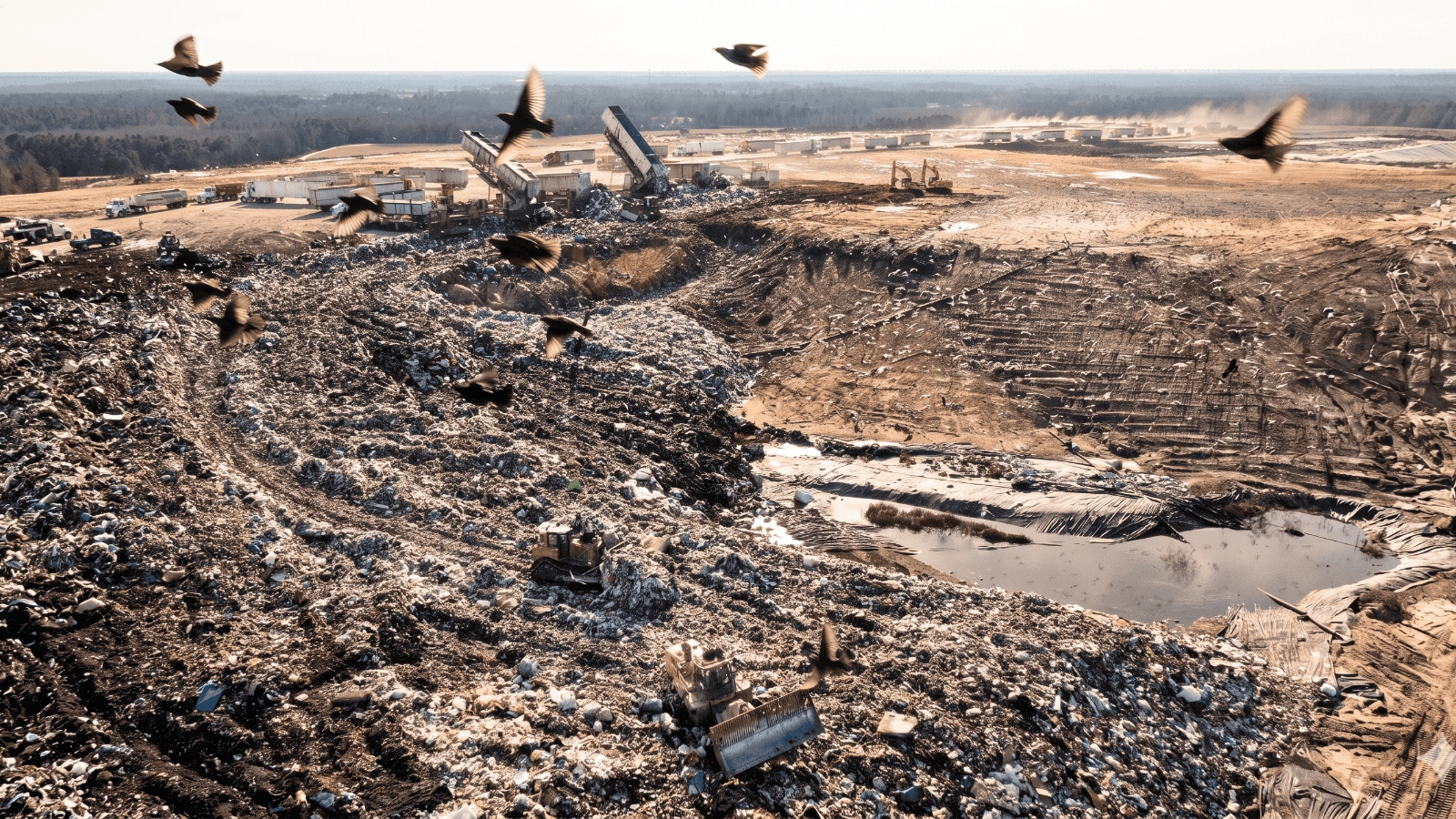
The nonprofit has identified multiple contamination sites in rural areas, where PFAS exposure primarily stems from industrial discharge, firefighting foam residue at airports and military installations, and leachate from landfills. Rural communities face particular vulnerability because they often lack the infrastructure and resources available to urban areas for water treatment and contamination remediation.
PFAS chemicals accumulate in human tissue and have been linked to health effects including liver damage, thyroid disease, weakened immune response, and increased cholesterol levels, according to toxicological research. The U.S. Environmental Protection Agency established drinking water standards for two PFAS compounds in 2023, setting limits at 4 parts per trillion for PFOA and 2.5 parts per trillion for PFOP. However, hundreds of other PFAS variants remain unregulated.
The nonprofit is working with affected households to document contamination levels and provide resources for alternative water sources. Residents report discovering elevated PFAS concentrations in private wells, the primary water supply for many rural North Carolinians without municipal water access.
State regulators and local health departments have begun coordinating response efforts, though funding for remediation remains limited. The organization is also advocating for stronger regulations on PFAS manufacturing and use at the state level.
This grassroots effort underscores a growing recognition that rural communities, often overlooked in environmental protection discussions, face distinct pollution challenges requiring targeted solutions.
THE TAKEAWAY: Forever chemicals pose particular health risks in rural areas where private